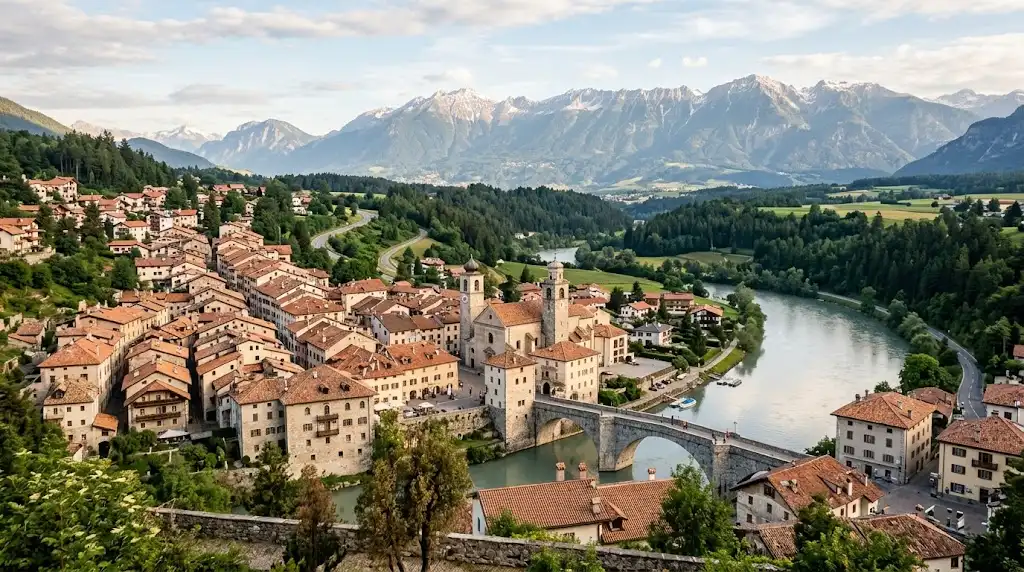
The best places to visit in Europe include iconic destinations such as Paris, Rome, and London, as well as scenic regions in Switzerland, Croatia, Portugal, and Greece. Each destination offers its own combination of history, architecture, cuisine, outdoor activities, and local traditions.
Choosing where to go depends on your travel dates, available budget, preferred activities, and the amount of time you have. This guide explores 15 destinations worth considering, explains what makes each special, and shares practical tips to help you plan a memorable European trip.
Quick Guide to the Best Places to Visit in Europe
- Paris, France: Art, iconic landmarks, architecture, and romantic city breaks.
- Rome, Italy: Ancient ruins, historic neighborhoods, and Italian cuisine.
- London, United Kingdom: Museums, royal landmarks, theaters, and diverse neighborhoods.
- Barcelona, Spain: Distinctive architecture, Mediterranean beaches, and food culture.
- Lisbon, Portugal: Historic streets, scenic viewpoints, and coastal excursions.
- Swiss Alps, Switzerland: Mountain scenery, railway journeys, and outdoor adventures.
- Amsterdam, Netherlands: Canals, museums, cycling, and historic architecture.
- Prague, Czechia: Gothic buildings, historic squares, and riverside views.
- Vienna, Austria: Imperial palaces, classical music, and traditional cafes.
- Dubrovnik, Croatia: Historic city walls, Adriatic views, and coastal experiences.
- Athens, Greece: Ancient monuments, museums, and Greek cuisine.
- Greek Islands: Beaches, traditional villages, and Mediterranean landscapes.
- Florence, Italy: Renaissance art, architecture, and Tuscan food.
- Interlaken, Switzerland: Lakes, mountain views, and seasonal adventures.
- Edinburgh, Scotland: Historic streets, dramatic architecture, and cultural attractions.
1. Paris, France: Art, Romance, and Iconic Landmarks
Paris is one of Europe’s most recognizable destinations, combining grand boulevards, historic architecture, celebrated museums, elegant gardens, and an internationally renowned food culture.
First-time visitors often prioritize the Eiffel Tower, the Louvre, and the Seine River. However, exploring local neighborhoods, discovering small bakeries, browsing bookshops, and relaxing at traditional cafes can make a visit equally memorable.
Best things to do in Paris
- Admire the Eiffel Tower and explore the surrounding area.
- Visit the Louvre or another museum suited to your interests.
- Walk along the Seine and explore historic neighborhoods.
- Discover Montmartre’s artistic atmosphere and elevated views.
- Sample French pastries, regional dishes, and local market food.
Best time to visit: Spring and early autumn are popular for sightseeing, while winter offers seasonal displays and a different city atmosphere.
Travel tip: Reserve timed admission for major attractions when available and allow enough time to explore individual neighborhoods without rushing.
2. Rome, Italy: Ancient History and Italian Culture
Rome is an excellent destination for travelers interested in archaeology, architecture, art, and food. Ancient ruins stand alongside modern streets, creating a city where different periods of history are visible throughout the urban landscape.
The Colosseum, Roman Forum, Pantheon, and Trevi Fountain are among the best-known attractions. Vatican City adds major artistic, architectural, and religious landmarks to a visit.
Top experiences in Rome
- Explore the Colosseum and the Roman Forum archaeological area.
- Visit the Pantheon and historic central squares.
- Discover the Vatican Museums and St. Peter’s Basilica.
- Try Roman pasta dishes, pizza, gelato, and espresso.
- Walk through traditional neighborhoods such as Trastevere.
Best time to visit: Spring and autumn are generally comfortable for walking tours, although popular attractions can remain busy.
Travel tip: Wear comfortable shoes, check entry requirements for major monuments, and allow extra time for security checks.
Travelers who want to explore beyond Rome can use our guide to the best places to visit in Italy that are not touristy to discover alternatives to the busiest destinations.
3. London, United Kingdom: Museums, History, and Entertainment
London combines royal heritage, museums, historic landmarks, theater, shopping, parks, and international cuisine. Its major attractions appeal to first-time visitors, while its diverse neighborhoods reward travelers who want to explore beyond the usual sightseeing route.
Westminster Abbey, Buckingham Palace, the Tower of London, and the British Museum are popular stops. Markets, riverfront walks, independent shops, and performances provide additional ways to experience the city.
What to explore in London
- See Big Ben and the Palace of Westminster.
- Explore the British Museum or the National Gallery.
- Walk along the South Bank for river views and cultural venues.
- Discover neighborhood markets and independent businesses.
- Attend a West End performance if it fits your budget.
Best time to visit: Late spring and summer offer longer days, while winter can suit museum visits, theater, and seasonal city experiences.
Travel tip: Group attractions by neighborhood to reduce travel time and compare public transport options before purchasing passes.
If you plan to explore beyond the capital, read our guide to the best places to visit in Wales from London for ideas involving historic towns and countryside.
4. Barcelona, Spain: Architecture and Mediterranean Beaches
Barcelona combines Mediterranean scenery with distinctive architecture, lively neighborhoods, and a strong culinary identity. It is a compelling option for travelers who want a city vacation with opportunities to enjoy the coast.
The architectural works of Antoni Gaudí are among the city’s defining features. The Sagrada Família, Park Güell, and Casa Batlló attract architecture enthusiasts, while the Gothic Quarter offers narrow streets and historic buildings.
Things to do in Barcelona
- Visit the Sagrada Família and explore Gaudí’s architecture.
- Walk through the Gothic Quarter and its historic streets.
- Explore Park Güell with a reservation when required.
- Sample Catalan cuisine, tapas, and fresh seafood.
- Enjoy the waterfront and city beaches in suitable weather.
Best time to visit: Spring and early autumn often provide a balance of comfortable sightseeing weather and outdoor dining opportunities.
Travel tip: Reserve popular attractions in advance and remain aware of your belongings in crowded tourist areas.
5. Lisbon, Portugal: Historic Neighborhoods and Scenic Views
Lisbon is known for its hills, tiled facades, historic trams, scenic viewpoints, and relaxed dining culture. Portugal’s capital combines historic charm with modern city life, making it appealing to couples, families, and independent travelers.
Alfama and Baixa are useful starting points for exploring historic streets, traditional restaurants, and views across the Tagus River. Visitors can also enjoy Portuguese pastries, fado music, and nearby coastal excursions.
Highlights of Lisbon
- Explore Alfama and its historic streets.
- Visit Belém for its monuments and traditional pastries.
- Discover viewpoints overlooking the river and rooftops.
- Explore local restaurants, markets, and cultural venues.
- Consider a day trip to Sintra if your schedule allows.
Best time to visit: Spring and autumn are popular for walking and sightseeing, although Lisbon can be visited throughout the year.
Travel tip: Many streets are steep, and traditional paving can be slippery. Comfortable shoes are essential.
For more planning ideas, explore our guide to the top places to visit in Lisbon, Portugal, or use our guide to places to visit in Portugal for first-time travelers.
6. The Swiss Alps, Switzerland: Mountain Scenery and Outdoor Adventures
The Swiss Alps are ideal for travelers who enjoy dramatic mountain landscapes, alpine villages, scenic railway journeys, and outdoor recreation. Activities vary by season, with summer hiking and winter skiing among the main attractions.
Regions around Zermatt and the Jungfrau area provide access to panoramic viewpoints, mountain transport, and established outdoor activity networks. Travelers can appreciate the scenery without necessarily undertaking strenuous hikes.
Best experiences in the Swiss Alps
- Take a scenic train journey through mountain landscapes.
- Visit alpine villages and enjoy views of surrounding peaks.
- Try skiing or snowboarding during the winter season.
- Explore marked hiking routes when conditions permit.
- Sample Swiss specialties and regional cuisine.
Best time to visit: Summer is popular for hiking, while winter attracts visitors seeking snow sports. Some mountain facilities operate seasonally.
Travel tip: Compare accommodation, railway fares, mountain excursions, and meal costs before setting your budget.
7. Amsterdam, Netherlands: Canals and Cultural Attractions
Amsterdam is famous for its canal network, historic townhouses, museums, and cycling culture. Its compact central districts make it a practical choice for a short city break or a stop on a longer European itinerary.
The Rijksmuseum and Van Gogh Museum attract art lovers, while canal-side streets and historic districts offer opportunities for walking and photography. Markets, cafes, and neighborhood restaurants provide a more local perspective.
Things to do in Amsterdam
- Take a canal cruise or explore the waterways on foot.
- Visit major art museums with advance reservations when needed.
- Discover the historic canal district and Jordaan neighborhood.
- Explore local markets and independent businesses.
- Learn about Dutch history through museums and historic sites.
Best time to visit: Spring is popular for seasonal flowers, while summer offers longer days and more opportunities for outdoor activities.
Travel tip: Stay alert around bicycle lanes and check museum opening days before planning your itinerary.
For a seasonal itinerary, explore our guide to the best places to visit in the Netherlands during winter.
8. Prague, Czechia: Historic Streets and Gothic Architecture
Prague combines Gothic towers, historic squares, riverside views, and distinctive Central European architecture. Its old town and castle district make it a rewarding destination for travelers who enjoy exploring on foot.
Prague Castle, Charles Bridge, and Old Town Square are among the best-known attractions. Visitors can also discover traditional cafes, local restaurants, museums, and quieter streets away from the busiest tourist areas.
What to see in Prague
- Walk across Charles Bridge and enjoy views of the Vltava River.
- Explore Prague Castle and its historic surroundings.
- Visit Old Town Square and see the Astronomical Clock.
- Discover traditional Czech cuisine and local cafes.
- Explore museums and neighborhoods beyond the central sights.
Best time to visit: Late spring and early autumn are attractive for outdoor sightseeing. Winter offers a different atmosphere but brings colder weather.
Travel tip: Historic paving can become slippery in wet or icy conditions, so wear suitable footwear.
For another destination with a rich mix of history and natural scenery, consider the places to visit in Germany’s Black Forest.
9. Vienna, Austria: Imperial Palaces and Classical Music
Vienna is an excellent destination for travelers interested in architecture, classical music, historic palaces, museums, and traditional cafe culture. Its grand buildings and cultural institutions create an elegant setting for a city break.
Schönbrunn Palace, the Hofburg complex, and St. Stephen’s Cathedral are among the main attractions. Visitors can also enjoy concerts, galleries, coffeehouses, and seasonal markets.
Top activities in Vienna
- Explore Schönbrunn Palace and its visitor areas.
- Discover the historic center around St. Stephen’s Cathedral.
- Visit museums and art collections.
- Attend a concert or performance if available.
- Relax at a traditional Viennese coffeehouse.
Best time to visit: Spring and autumn are popular for sightseeing, while winter appeals to visitors interested in seasonal markets and indoor cultural activities.
Travel tip: Reserve popular performances and palace visits early during busy holiday periods.
10. Dubrovnik, Croatia: Historic Walls and Adriatic Views
Dubrovnik is known for its preserved historic center, stone buildings, city walls, and views across the Adriatic Sea. It is especially attractive to travelers who enjoy combining cultural exploration with coastal scenery.
The old town’s narrow streets, historic churches, squares, and waterfront areas can fill much of a sightseeing day. Boat trips and nearby islands may provide additional experiences when weather and seasonal schedules permit.
Best things to do in Dubrovnik
- Walk the city walls when open and weather conditions are suitable.
- Explore the old town and its architectural landmarks.
- Enjoy views of the Adriatic from designated viewpoints.
- Sample Croatian seafood and regional specialties.
- Investigate nearby coastal excursions during the operating season.
Best time to visit: Late spring and early autumn can offer a balance of sightseeing conditions and seasonal services. Summer is popular but can be crowded.
Travel tip: Check admission arrangements for the city walls and visit major sights early during busy periods.
Explore more of the country with our guide to the best places to visit in Croatia.
11. Athens, Greece: Ancient Monuments and Greek Cuisine
Athens is one of Europe’s most significant historical destinations. Its ancient monuments, archaeological collections, lively neighborhoods, and Greek food make it a compelling choice for travelers interested in history and Mediterranean culture.
The Acropolis and Parthenon are the city’s best-known landmarks. The Acropolis Museum provides additional context, while Plaka offers restaurants, shops, and streets close to many historic attractions.
What to explore in Athens
- Visit the Acropolis and Parthenon.
- Explore the Acropolis Museum.
- Walk through Plaka and other historic neighborhoods.
- Sample Greek dishes and local specialties.
- Consider a day trip to a nearby coastal or archaeological destination.
Best time to visit: Spring and autumn are popular for walking and archaeological sightseeing. Summer can be very hot, so plan outdoor activities carefully.
Travel tip: Carry water in warm weather and check admission arrangements for major archaeological attractions.
For island inspiration, discover historic sites and scenic views on Rhodes Island, Greece.
12. The Greek Islands: Beaches and Traditional Villages
The Greek islands offer an alternative to Europe’s large cities, with coastal landscapes, traditional settlements, archaeological sites, and opportunities to enjoy the sea. Each island has its own character, so choosing the right destination is important.
Santorini is known for its caldera views and whitewashed architecture. Crete combines beaches with historical attractions and mountainous scenery, while other islands appeal to visitors seeking quieter villages or a lively summer atmosphere.
How to choose a Greek island
- Santorini: Consider it for dramatic scenery, village walks, and romantic stays.
- Crete: Choose it for history, beaches, towns, and outdoor exploration.
- Rhodes: Explore its historic old town, coastal scenery, and cultural attractions.
- Smaller islands: Compare ferry connections, accommodation, and the atmosphere you prefer.
Best time to visit: Late spring and early autumn are often attractive for sightseeing and coastal activities. Summer is the busiest period on many islands.
Travel tip: Ferry schedules vary with the season and weather. Leave flexibility between connections, especially when an island transfer is essential to your return journey.
13. Florence, Italy: Renaissance Art and Architecture
Florence is a wonderful destination for travelers who appreciate Renaissance art, architecture, historic streets, and Italian cuisine. Its compact center makes it possible to explore several important attractions during a short visit.
The Cathedral of Santa Maria del Fiore, Uffizi Gallery, and Ponte Vecchio are among the main highlights. Florence is also a useful base for exploring parts of Tuscany if your itinerary allows additional days.
Things to do in Florence
- Visit the cathedral complex and admire its architecture.
- Explore the Uffizi Gallery and other art collections.
- Walk across Ponte Vecchio.
- Enjoy Tuscan dishes and local food markets.
- Visit a viewpoint overlooking the historic center.
Best time to visit: Spring and autumn are popular for walking, although major attractions can remain busy.
Travel tip: Reserve museum admission in advance where possible and allow time for breaks between sightseeing stops.
14. Interlaken, Switzerland: Lakes and Mountain Adventures
Interlaken sits between Lake Thun and Lake Brienz and provides access to some of Switzerland’s most recognizable alpine scenery. It is a useful base for visitors interested in mountain excursions, lake views, scenic railways, and outdoor activities.
Travelers can explore nearby mountain villages, choose walking routes suited to the season, or book guided adventures. In winter, available snow activities depend on local conditions and resort operating schedules.
What to do around Interlaken
- Enjoy views around Lake Thun and Lake Brienz.
- Take a suitable scenic railway or mountain excursion.
- Explore nearby villages and alpine landscapes.
- Choose seasonal activities based on local conditions.
- Try regional Swiss food and explore local shops.
Best time to visit: Summer suits many outdoor activities, while winter is popular for snow sports in the surrounding mountain region.
Travel tip: Mountain excursions can add significantly to trip costs. Compare routes, weather, and ticket options before making reservations.
15. Edinburgh, Scotland: Historic Streets and Cultural Experiences
Edinburgh combines medieval streets, neoclassical architecture, cultural institutions, and a distinctive Scottish atmosphere. Its compact central districts make it a rewarding destination for travelers who enjoy history, literature, museums, and city walks.
Edinburgh Castle overlooks the city, while the Royal Mile connects several historic sites. Visitors can also explore the National Museum of Scotland, independent shops, traditional restaurants, and scenic viewpoints.
Top experiences in Edinburgh
- Explore Edinburgh Castle and the historic Royal Mile.
- Discover the Old Town and New Town architecture.
- Visit museums and galleries.
- Sample Scottish food and local specialties.
- Walk to a suitable viewpoint when weather and visibility allow.
Best time to visit: Late spring and summer provide longer daylight hours. August is particularly busy because of major festivals, while winter brings shorter days and colder weather.
Travel tip: Reserve accommodation early around major festivals and pack waterproof layers throughout the year.
Discover More European Destinations
Europe has far more to offer than its most famous capitals. Depending on your interests, smaller towns, mountain regions, historic landscapes, and less crowded destinations may provide an equally rewarding experience.
- Discover the top places to visit in Ireland for coastal scenery, cultural heritage, and historic towns.
- Explore the best places to visit in Belgium in autumn for seasonal scenery and historic cities.
- Plan a trip around the best places to visit in Croatia for coastal landscapes and historic destinations.
- Discover the destinations across the former Soviet Union for a different perspective on European and Eurasian travel.
- Explore the places to visit in Snowdonia National Park for dramatic Welsh mountain scenery.
- Consider the best places to visit in the Cairngorms for Scottish landscapes and outdoor adventures.
- Find European summer destinations for warmer weather and seasonal activities.
- Explore the best places for students to visit in Europe for ideas suited to student travelers.
- Discover less-touristy places in Italy if you prefer to look beyond the busiest attractions.
- Use this guide to warm places to visit in Europe during winter when planning a cold-season escape.
Best Places to Visit in Europe by Travel Style
Best European destinations for couples
Paris, Florence, Santorini, Lisbon, and Prague are appealing choices for couples who enjoy dining, scenic walks, architecture, and cultural experiences. Smaller towns and shoulder-season travel can provide a quieter atmosphere.
Best European destinations for families
London, Paris, Rome, and Amsterdam offer museums, parks, historic attractions, and public transportation. Switzerland can also suit families interested in mountain scenery, provided the budget and activity level fit the group.
Best European destinations for history lovers
Rome, Athens, Florence, Prague, Vienna, and Edinburgh offer major historic landmarks, museums, and distinctive architecture. Choose destinations based on the historical periods and cultural interests that appeal to you.
Best European destinations for nature lovers
The Swiss Alps, Interlaken, the Greek islands, and parts of Croatia offer outdoor scenery and access to hiking, boating, and seasonal sports. Check weather conditions and local access restrictions before planning outdoor excursions.
Best European destinations for budget-conscious travelers
Costs vary considerably between and within European countries. Compare accommodation, public transport, attraction tickets, and meal prices before choosing a destination. Traveling outside major holidays and staying beyond the most central tourist districts may help reduce expenses.
When Is the Best Time to Visit Europe?
Europe can be visited year-round, but the best season depends on your destination and preferred activities.
- Spring: Popular for city sightseeing, gardens, and walking tours, although weather can be unpredictable.
- Summer: Suitable for long days, beach holidays, outdoor dining, and many mountain activities. Popular destinations can be crowded and expensive.
- Autumn: Attractive for cultural trips, food experiences, and scenic countryside, with conditions varying by region.
- Winter: Suitable for selected ski resorts, seasonal markets, museums, and city breaks, although daylight is shorter and some attractions close.
For more seasonal ideas, explore our guides to warmer European destinations in winter and the best places to visit in Belgium during autumn.
How to Plan a European Vacation
Choose a realistic number of destinations
Trying to visit too many countries during a short vacation can leave little time to enjoy each place. For a first trip, consider spending several nights in each major destination and using practical train or flight connections where appropriate.
Compare transportation options
Rail services connect many European cities, while flights can be useful for longer distances. Compare journey times, station or airport transfers, baggage policies, and the full cost of each option rather than focusing only on the ticket price.
Set your budget in advance
Accommodation, meals, transportation, attractions, travel insurance, and local taxes can all affect the total cost. Research prices for your dates and keep a reserve for unexpected expenses.
Check entry requirements
Visa requirements depend on your nationality, passport, destination, and length of stay. Confirm the applicable entry rules and documentation through official government or consular channels before booking non-refundable travel.
Book popular attractions strategically
Major museums, monuments, and special experiences may require timed entry or advance reservations. Book essential activities first, then leave free time to explore local streets, restaurants, and unexpected discoveries.
Respect local customs and neighborhoods
Learn basic local greetings, follow posted rules at religious and historic sites, and be considerate of residents. Responsible travel helps preserve the places that make European destinations special.
Frequently Asked Questions
What are the best places to visit in Europe for first-time travelers?
Paris, Rome, London, Amsterdam, and Barcelona are popular starting points because they offer recognizable landmarks, museums, restaurants, and a wide range of accommodation. The best choice depends on your interests, budget, and travel dates.
Which European destinations have the best scenery?
Switzerland, Austria, Norway, Croatia, Greece, and parts of Italy offer impressive mountain, coastal, and countryside scenery. The right destination depends on whether you prefer hiking, lakes, beaches, or scenic rail journeys.
How many days are enough for a Europe trip?
One week can work well for one or two nearby destinations, while two weeks allows more time to explore several cities without rushing as much. Longer trips provide greater flexibility for regional travel and countryside stays.
What is the cheapest time to visit Europe?
Prices vary by country and city, but periods outside peak summer and major holidays can offer better value. Compare accommodation and transportation prices for your exact dates before deciding when to travel.
Is Europe suitable for family vacations?
Yes. Many European cities offer museums, parks, public transportation, historic attractions, and family-oriented activities. Consider travel distances, walking requirements, meal preferences, and children’s ages when planning an itinerary.
Which European destinations are best in winter?
Vienna and Prague are options for cultural city breaks, while the Swiss Alps offer mountain scenery and winter sports when conditions permit. Southern European destinations may be milder, but temperatures and rainfall vary.
Should I visit one country or several countries in Europe?
Both approaches can work. Staying in one country gives you more time to explore regional culture, while visiting nearby countries can provide variety if you have sufficient time. Choose destinations with practical transport connections and avoid spending too much of your vacation in transit.
Final Thoughts
The best places to visit in Europe offer a remarkable variety of experiences, from the historic monuments of Rome and Athens to the artistic streets of Paris and Florence, the mountain landscapes of Switzerland, and the coastal beauty of Croatia and Greece.
There is no single destination that is best for every traveler. Consider your budget, preferred activities, travel season, and available time before choosing where to go. A carefully planned trip with enough time to explore each destination can be more rewarding than a packed schedule of hurried stops.
Whether you are planning your first European vacation or returning to discover a new region, use these destinations as a starting point and build an itinerary that reflects your own interests. With practical preparation and a flexible approach, Europe offers countless opportunities for meaningful travel.
For more destination ideas, browse the NexoraPulse blog and discover additional travel guides.