Best Places to Visit in Former Soviet Union: 15 Incredible Destinations

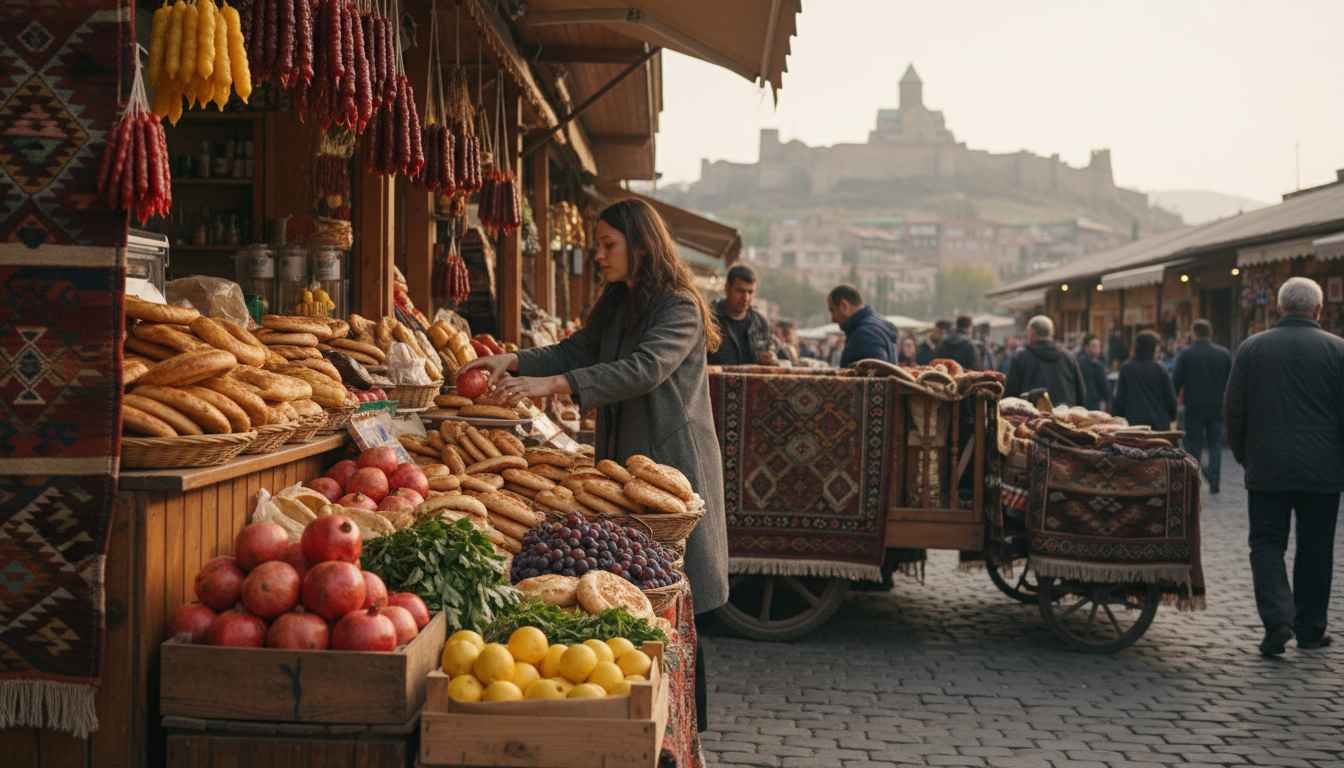
Historic Central Asian architecture and Caucasus mountains representing former Soviet travel destinations
The best places to visit in former Soviet Union countries offer an unusual combination of historic cities, Silk Road architecture, Caucasus mountains, Baltic old towns, Central Asian landscapes, Black Sea resorts, and distinctive Soviet-era heritage. Since the Soviet Union dissolved in 1991, its 15 former republics have developed very different identities, making the region far more diverse than the term “former Soviet Union” might suggest.For travelers, that diversity is the biggest attraction. You can explore medieval churches in Georgia and Armenia, walk through Art Nouveau streets in Riga, admire the grand architecture of Tashkent and Samarkand, hike around the mountains of Kyrgyzstan, explore Kazakhstan’s vast landscapes, or discover Estonia’s beautifully preserved capital.This guide focuses on the most rewarding destinations across the former Soviet republics rather than treating the region as a single travel destination. Some countries and territories have significant current travel restrictions or security concerns, so travelers should always check official government advisories and local conditions before booking a trip.

What Countries Were Part of the Soviet Union?

The Soviet Union consisted of 15 Soviet republics that became independent states after its dissolution in December 1991. They are commonly grouped geographically into the Baltic states, Eastern Europe, the Caucasus, and Central Asia.

  • Armenia
  • Azerbaijan
  • Belarus
  • Estonia
  • Georgia
  • Kazakhstan
  • Kyrgyzstan
  • Latvia
  • Lithuania
  • Moldova
  • Russia
  • Tajikistan
  • Turkmenistan
  • Ukraine
  • Uzbekistan

These countries are not culturally or geographically identical. The Baltic states have strong Northern European influences, the Caucasus combines ancient Christian cultures with dramatic mountain scenery, and Central Asia is closely associated with Silk Road history, Islamic architecture, nomadic traditions, and enormous natural landscapes.

15 Best Places to Visit in Former Soviet Union Countries

1. Tbilisi, Georgia – Best for Culture and Old-World Atmosphere

Tbilisi is one of the most interesting capitals in the former Soviet region. The city combines medieval heritage, colorful balconies, sulfur baths, churches, modern cafés, restaurants, and remnants of its Soviet architectural past.

Old Tbilisi is the natural starting point. Its narrow streets and historic buildings make it easy to spend several hours walking without following a strict itinerary. The famous sulfur baths are another distinctive part of the city, while the Narikala Fortress area provides broad views over the capital.

Georgia’s official tourism platform describes Tbilisi as a historic capital whose Old Tbilisi district contains some of the city’s most iconic sites.

Travelers interested in this region should also consider adding Armenia to the same itinerary, particularly if they want to explore more of the Caucasus.

Best for: History, architecture, food, culture, cafés, and city breaks.

2. Yerevan, Armenia – Best for History and Caucasus Culture

Yerevan is one of the oldest continuously inhabited urban areas in the region and provides a convenient base for exploring Armenia’s churches, monasteries, mountains, and cultural heritage.

The capital itself is known for its distinctive pink volcanic-stone architecture, broad streets, museums, cafés, restaurants, and viewpoints toward Mount Ararat. However, some of Armenia’s most impressive attractions are outside the city.

Garni Temple, Geghard Monastery, Etchmiadzin, Zvartnots, Lake Sevan, and Tsaghkadzor can all be incorporated into a wider Armenian itinerary. Official Armenia Travel information identifies Garni, Geghard, Lake Sevan, and Tsaghkadzor among the key attractions accessible from Yerevan.

Our existing guide to the best places to visit in Armenia during winter is particularly useful if your trip takes place during the colder months.

Best for: Ancient history, monasteries, food, architecture, photography, and mountain scenery.

3. Samarkand, Uzbekistan – Best for Silk Road Architecture

Samarkand is one of the most spectacular destinations associated with the former Soviet republics. Although its history stretches far beyond the Soviet era, its place on the modern travel map is strongly connected to the Silk Road heritage of Uzbekistan.

The centerpiece is Registan Square, surrounded by monumental madrasas decorated with intricate tilework and impressive Islamic architecture. Other major attractions include the Gur-e-Amir Mausoleum, Bibi-Khanym Mosque, Shah-i-Zinda, and Ulugh Beg Observatory.

Uzbekistan Travel currently features itineraries connecting Tashkent, Samarkand, Bukhara, and Khiva, reflecting the importance of these cities within the country’s historical tourism circuit.

Samarkand is particularly rewarding for travelers interested in architecture because the city provides an opportunity to see several major monuments within a relatively manageable itinerary.

Best for: Silk Road history, architecture, photography, culture, and heritage travel.

4. Almaty, Kazakhstan – Best for Mountains and Urban Adventure

Almaty is Kazakhstan’s largest city and one of the best bases for combining urban attractions with spectacular mountain scenery.

The city offers restaurants, museums, parks, markets, Soviet-era architecture, and a lively cultural scene. Beyond the city, the surrounding Almaty region provides access to mountains, lakes, canyons, and outdoor adventures.

One of the region’s major natural attractions is Charyn Canyon. Kazakhstan’s official tourism platform features routes through the Charyn River canyon system, including the Valley of Castles and other geological landscapes.

Almaty is therefore a strong option for travelers who want a former Soviet destination that combines city life with dramatic nature.

Best for: Mountains, hiking, city breaks, photography, food, and adventure.

5. Tallinn, Estonia – Best for Medieval Charm and Baltic Culture

Tallinn provides a completely different experience from the Caucasus and Central Asia. Estonia’s capital is known for its beautifully preserved medieval Old Town, cobbled streets, historic walls, towers, cafés, and compact walkable center.

The city also offers an interesting contrast between medieval architecture and modern technology-driven culture. Visitors can explore Toompea, Alexander Nevsky Cathedral, Town Hall Square, the old city walls, and surrounding neighborhoods.

For travelers interested in the Baltic former Soviet republics, Tallinn is one of the easiest destinations to combine with Riga and Vilnius.

Best for: Medieval architecture, history, cafés, photography, and city breaks.

6. Riga, Latvia – Best for Art Nouveau and Historic Streets

Riga is another excellent Baltic destination and is particularly famous for its Art Nouveau architecture. The city’s historic center combines medieval streets, grand boulevards, churches, markets, and ornate early-20th-century buildings.

Riga Central Market is a useful stop for experiencing local food and everyday city life, while the Old Town provides the classic sightseeing experience.

Riga also works well as part of a Baltic itinerary connecting Latvia with Estonia and Lithuania. Its location makes it practical to explore several destinations without treating each country as a completely separate trip.

Best for: Architecture, history, food, culture, and Baltic city breaks.

7. Vilnius, Lithuania – Best for Baroque Architecture and Old Towns

Vilnius is another strong choice for travelers exploring the Baltic states. The city’s historic center is filled with churches, courtyards, narrow streets, and architectural influences from different periods.

Visitors can explore Cathedral Square, Gediminas Castle Tower, the Gate of Dawn, and the winding streets of the Old Town.

Vilnius is especially suitable for travelers who want a quieter European city break while still experiencing the historical complexity of a former Soviet republic.

Best for: Architecture, history, walking tours, culture, and food.

8. Bukhara, Uzbekistan – Best for Historic Silk Road Atmosphere

Bukhara is one of Central Asia’s most rewarding historic cities. Its preserved old center contains mosques, madrasas, bazaars, mausoleums, courtyards, and monuments that reflect the city’s importance along historic trade routes.

The Ark Fortress, Poi-Kalyan complex, Lyabi-Hauz, Samanid Mausoleum, and traditional markets are among the major attractions.

Unlike a modern capital, Bukhara is best explored slowly. Spend time walking through the old city, stopping for tea, visiting craft shops, and observing how historic architecture fits into contemporary life.

Best for: History, architecture, Silk Road culture, photography, and slow travel.

9. Bishkek and the Kyrgyz Mountains – Best for Outdoor Adventure

Kyrgyzstan is one of the strongest choices in the former Soviet region for travelers who prioritize mountains and outdoor activities.

Bishkek provides a convenient urban base, but the real attraction is the landscape beyond the capital. The country features high mountain ranges, alpine lakes, valleys, hiking routes, and traditional nomadic culture.

Destinations around Issyk-Kul and the Tian Shan mountains can be incorporated into longer itineraries, while travelers with more time can explore remote valleys and high-altitude trekking routes.

Kyrgyzstan’s appeal comes partly from its combination of dramatic scenery and relatively strong opportunities for independent outdoor travel.

Best for: Hiking, mountains, horseback riding, camping, photography, and adventure.

10. Baku, Azerbaijan – Best for Modern Architecture and Caspian Views

Baku offers one of the most striking contrasts in the former Soviet region. The Azerbaijani capital combines a historic walled city with contemporary architecture, broad boulevards, and a Caspian Sea waterfront.

The Old City, known as Icherisheher, provides the historic side of Baku, while the Flame Towers and Heydar Aliyev Center demonstrate the city’s modern architectural ambitions.

The waterfront promenade is another attractive area for evening walks, particularly when the city’s modern skyline begins to illuminate.

Best for: Architecture, history, nightlife, food, and urban photography.

11. Batumi, Georgia – Best for the Black Sea Coast

Batumi offers a coastal alternative to the mountain and historic destinations elsewhere in the Caucasus. Located on Georgia’s Black Sea coast, the city combines modern architecture, a waterfront boulevard, gardens, restaurants, and cultural attractions.

The Batumi Botanical Garden and the city’s waterfront are particularly useful for travelers who want outdoor experiences without leaving an urban environment.

Georgia Travel describes Batumi as a Black Sea destination combining cultural monuments, family attractions, neighborhoods, and natural wonders.

Best for: Beaches, waterfront walks, architecture, food, and relaxed city breaks.

12. Lake Issyk-Kul, Kyrgyzstan – Best for Mountain and Lake Scenery

Lake Issyk-Kul is one of Central Asia’s most recognizable natural attractions. Surrounded by mountains, the enormous lake provides a striking combination of water, high-altitude scenery, and outdoor recreation.

The area offers beaches and resort towns, but it is also a gateway to mountain landscapes and rural communities. Travelers can combine lake activities with hiking, horseback riding, and cultural experiences.

For photographers, the changing light across the lake and surrounding mountains can produce some of the region’s most impressive landscapes.

Best for: Nature, mountains, lakes, photography, and outdoor recreation.

13. Dushanbe, Tajikistan – Best for a Gateway to the Pamirs

Dushanbe is Tajikistan’s capital and a practical starting point for travelers interested in the country’s mountain landscapes and Pamir adventures.

The city itself features broad avenues, parks, museums, monuments, and local markets. However, many adventurous travelers use Dushanbe primarily as the beginning of a longer journey toward the Pamir Mountains.

Tajikistan is particularly attractive to experienced outdoor travelers because of its dramatic high-altitude scenery, remote valleys, and challenging road journeys.

Best for: Mountain travel, road trips, hiking, photography, and adventure.

14. Khiva, Uzbekistan – Best for a Walled Historic City

Khiva is one of Uzbekistan’s most visually distinctive destinations. Its historic center, Itchan Kala, is enclosed by defensive walls and filled with mosques, madrasas, minarets, courtyards, and historic residences.

Walking through Itchan Kala can feel like stepping into a carefully preserved Silk Road city. The compact layout makes it particularly convenient for travelers who want to explore historic architecture on foot.

Uzbekistan Travel’s current itineraries frequently combine Khiva with Bukhara and Samarkand, making it practical to build a multi-city historical journey across the country.

Best for: Architecture, Silk Road history, photography, and cultural tourism.

15. Moldova and Chișinău – Best for Wine and a Quieter Experience

Moldova is often overlooked by travelers, which can make it appealing for people looking for a less crowded former Soviet destination.

Chișinău provides parks, cafés, museums, markets, and a relaxed urban atmosphere, while the surrounding countryside is known for vineyards and wine production.

Wine tourism is one of Moldova’s strongest travel experiences. Visitors can explore cellars, vineyards, and traditional wine-making regions while experiencing a side of Eastern Europe that feels considerably different from larger tourist destinations.

Best for: Wine, food, countryside, slow travel, and less-touristy experiences.

Best Places to Visit in Former Soviet Union by Region

The Caucasus

Georgia, Armenia, and Azerbaijan are among the most rewarding former Soviet destinations for travelers who want a combination of mountains, food, architecture, ancient religious heritage, and distinctive cultures.

Tbilisi and Yerevan are excellent city bases, while Kazbegi, Lake Sevan, Batumi, and the surrounding mountain regions provide opportunities to explore beyond the capitals. Georgia’s official tourism platform describes the Mtskheta-Mtianeti region as an all-season destination encompassing Mtskheta, Gudauri, Kazbegi, and major mountain landscapes.

Central Asia

Kazakhstan, Kyrgyzstan, Tajikistan, Turkmenistan, and Uzbekistan offer some of the region’s most dramatic contrasts. Silk Road cities such as Samarkand, Bukhara, and Khiva focus on architecture and history, while Kyrgyzstan and Tajikistan are particularly attractive for mountain adventures.

Central Asia is also a major part of the region’s Silk Road heritage. Modern travel guides commonly distinguish Uzbekistan for architecture and history, Kyrgyzstan for culture and mountains, Tajikistan for hiking, and Kazakhstan as a broad all-round destination.

The Baltic States

Estonia, Latvia, and Lithuania provide the easiest transition between former Soviet history and Northern European travel. Tallinn, Riga, and Vilnius all offer compact historic centers, museums, cafés, architecture, and strong modern infrastructure.

A Baltic trip is particularly convenient because the three countries can be combined into one itinerary.

Eastern Europe

Russia, Ukraine, Belarus, and Moldova have historically been grouped within the Eastern European part of the former Soviet Union. However, current security conditions vary considerably, and some destinations are subject to serious travel warnings or restrictions.

For current travel planning, travelers should consult their government’s latest advisories before considering Russia, Ukraine, Belarus, or disputed areas. Current regional travel guidance warns against travel to several of these destinations because of the ongoing war in Ukraine and other security concerns.

Best Former Soviet Countries for Different Types of Travelers

  • Best for history: Uzbekistan and Armenia
  • Best for mountains: Kyrgyzstan, Tajikistan, and Georgia
  • Best for architecture: Uzbekistan, Georgia, Azerbaijan, Latvia, and Estonia
  • Best for city breaks: Georgia, Armenia, Estonia, Latvia, and Azerbaijan
  • Best for nature: Kazakhstan, Kyrgyzstan, Tajikistan, and Georgia
  • Best for Silk Road experiences: Uzbekistan
  • Best for beaches: Georgia’s Black Sea coast
  • Best for wine: Georgia and Moldova
  • Best for Soviet-era architecture: Kazakhstan, Georgia, Armenia, and the Baltic states

Best Time to Visit Former Soviet Union Destinations

There is no single best season for the entire former Soviet region because the geography stretches from the Baltic Sea to Central Asia and the Caucasus.

Spring and autumn are generally versatile seasons for city sightseeing, cultural trips, and road travel. Temperatures are often more manageable than in the peak of summer.

Summer is particularly useful for high-altitude hiking in Kyrgyzstan, Tajikistan, and Georgia. It can also be a good period for Baltic city breaks and Black Sea travel.

Winter can be excellent for skiing and snow experiences in Georgia, Armenia, and parts of Central Asia, but mountain roads and weather can complicate travel.

Uzbekistan and other lowland Central Asian destinations can become very hot during summer, so travelers interested in Silk Road sightseeing often prefer spring or autumn.

How to Plan a Former Soviet Union Travel Route

The biggest mistake is trying to cover too many countries in one trip. The former Soviet republics cover an enormous geographic area, and travel between them is not always as straightforward as a European city-hopping itinerary.

Caucasus Route

A practical Caucasus itinerary can combine Georgia and Armenia, with Azerbaijan added when border and entry arrangements make sense. Tbilisi, Yerevan, mountain destinations, monasteries, and regional food can create a strong two-country trip.

Uzbekistan Heritage Route

For Silk Road history, focus on Tashkent, Samarkand, Bukhara, and Khiva. Uzbekistan’s official tourism platform currently promotes itineraries connecting these four cities, making them a natural cluster for a historical trip.

Central Asia Adventure Route

Travelers with more time can combine Kazakhstan, Kyrgyzstan, Uzbekistan, and Tajikistan. However, this requires careful planning because border crossings, road conditions, distances, and seasonal accessibility vary.

Baltic Route

Tallinn, Riga, and Vilnius make one of the easiest multi-country routes in the former Soviet region. The destinations are relatively compact, culturally distinct, and well suited to city-break travel.

Practical Travel Tips

  • Check visa and entry requirements separately for every country.
  • Do not assume that a visa or entry permission for one former Soviet republic applies to another.
  • Check current border-crossing conditions before planning overland travel.
  • Research local transportation before traveling to remote mountain regions.
  • Carry appropriate clothing for changing temperatures, particularly in mountainous areas.
  • Keep both cash and reliable payment options available where appropriate.
  • Learn a few basic local phrases rather than assuming Russian will always be sufficient.
  • Respect local cultural and religious customs.
  • Check official travel advisories before visiting destinations affected by current conflicts.
  • Use official tourism websites for current attraction information and local regulations.

Frequently Asked Questions

What are the best places to visit in the former Soviet Union?

Some of the strongest destinations include Tbilisi, Yerevan, Samarkand, Almaty, Tallinn, Riga, Vilnius, Bukhara, Bishkek, Baku, Batumi, Lake Issyk-Kul, Dushanbe, Khiva, and Chișinău.

Which former Soviet country is best for tourists?

It depends on the travel experience you want. Georgia is particularly strong for food, mountains, culture, and city breaks; Uzbekistan is excellent for Silk Road architecture; Kyrgyzstan is ideal for mountains and outdoor adventure; Estonia, Latvia, and Lithuania are strong for European-style city breaks.

What is the best former Soviet country for history?

Uzbekistan is one of the strongest choices because Samarkand, Bukhara, and Khiva contain major Silk Road monuments and historic architecture. Armenia and Georgia are also excellent for ancient religious and cultural heritage.

What is the best former Soviet country for nature?

Kyrgyzstan, Tajikistan, Kazakhstan, and Georgia stand out for mountain scenery, lakes, valleys, canyons, and hiking opportunities.

Can you travel between former Soviet countries?

Yes, in some cases, but border rules and transportation vary significantly. Some countries have convenient air or land connections, while others may have complicated or restricted borders. Check current entry requirements and border conditions before planning an overland route.

Is it safe to visit former Soviet countries?

Safety varies enormously by country and region. Many destinations are established tourist destinations, while others currently face conflict, political instability, border restrictions, or government travel warnings. Always check current official travel advice for each destination rather than treating the entire region as one safety category.

Final Thoughts

The best places to visit in former Soviet Union countries reveal a region far more diverse than its shared political history suggests. The Baltic capitals offer medieval streets and European urban culture, the Caucasus combines ancient heritage with dramatic mountains, and Central Asia brings together Silk Road cities, deserts, alpine landscapes, and nomadic traditions.

For first-time travelers, Georgia, Armenia, Uzbekistan, Kazakhstan, Kyrgyzstan, and the Baltic states offer particularly varied experiences. A focused trip is usually more rewarding than attempting to see the entire former Soviet region at once.

Choose your destinations according to your interests, research current entry and safety conditions carefully, and give each country enough time to experience its own identity. The result can be one of the most culturally diverse and memorable travel experiences across Europe and Asia.

Facebook
Twitter
LinkedIn
Picture of adm_p7s555

adm_p7s555

NexoraPulse is driven by a team of writers and analysts who track emerging trends across technology, business, digital culture, and modern lifestyles. Our focus is on delivering clear, well-researched content that helps readers understand what’s changing, why it matters, and how it impacts the future.