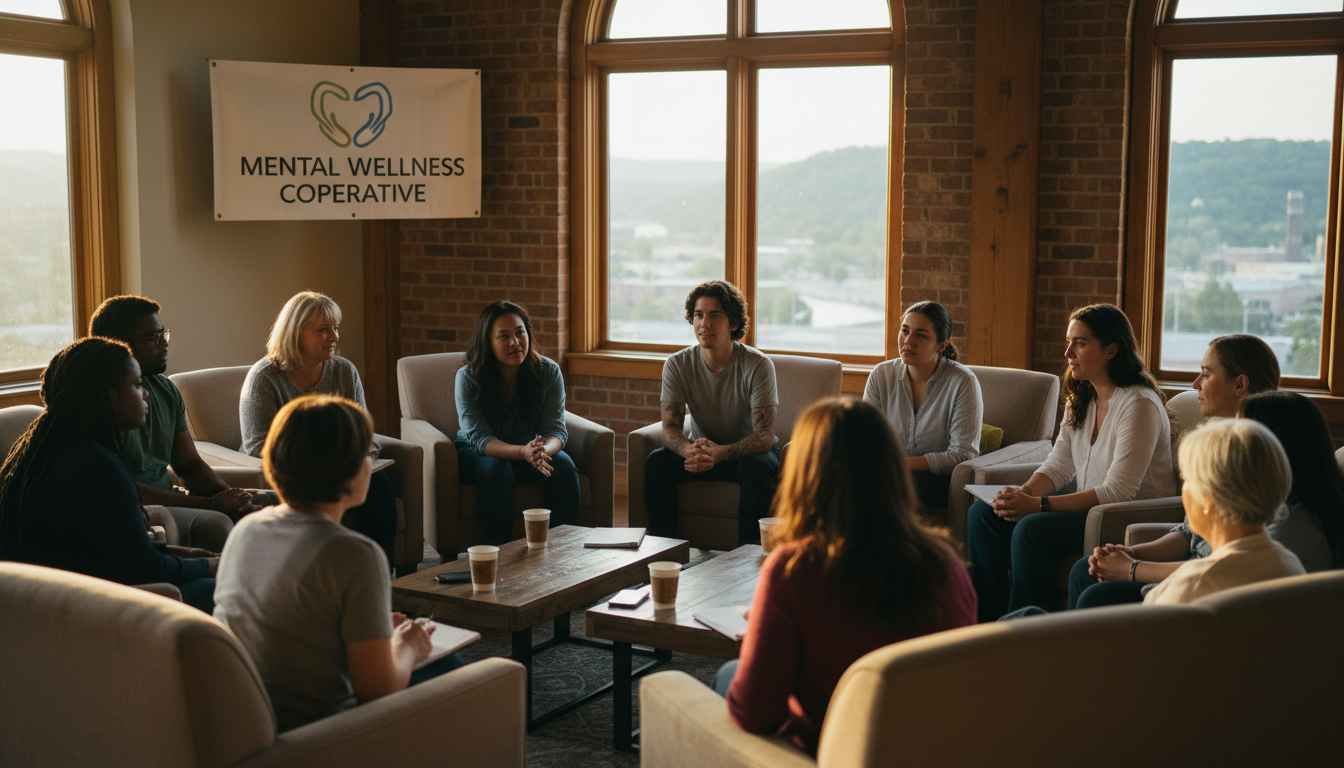
Money never sleeps. In fact, the mental and emotional toll that many face in our communities never does either. As society progresses, the demand for mental health services continues to rise, especially in urban areas like Chattanooga. But how can individuals in need of mental health support find the best services tailored to their specific needs? The answer lies in cooperative models – particularly mental health cooperatives. These initiatives are playing a pivotal role in reshaping how we approach mental health care, offering a comprehensive, community-based solution.
One such resource is the Mental Health Cooperative of Chattanooga, a beacon for those seeking collaborative mental health care. Offering diverse programs that cater to individuals at all stages of mental health recovery, this cooperative aims to provide accessible, inclusive, and effective treatment options. In this article, we break down the importance of this initiative by introducing the key players, programs, and services that make it stand out.
1. Chattanooga’s Mental Health Cooperative: An Overview
The Mental Health Cooperative in Chattanooga is not just a provider of treatment – it is a hub for community engagement and well-being. It operates under a cooperative model, which means it’s designed to be run by the people it serves. This approach fosters a sense of ownership and investment in the recovery process, offering mental health care that’s both personalized and holistic.
One notable program within the cooperative is its Peer Support Network. This program connects individuals dealing with mental health issues with peers who have lived through similar challenges. This peer-based support model helps remove stigma, fosters mutual understanding, and builds strong emotional resilience. Volunteers and staff work together to promote an environment of compassion, self-help, and growth, ensuring that each participant’s journey is as unique as their circumstances.
2. Key Figures Driving Change
Several key figures play an instrumental role in shaping the direction of the Mental Health Cooperative in Chattanooga. These professionals range from experienced mental health therapists to program directors dedicated to maintaining the cooperative’s high standards of care. Here are some of the key people involved:
- Dr. Jane Doe, Chief Medical Officer: With over two decades of experience in clinical psychology, Dr. Doe brings her expertise to both the development of treatment protocols and staff training. Her leadership ensures that patients receive evidence-based care that aligns with the latest mental health research.
- John Smith, Peer Support Program Coordinator: A former participant in the cooperative’s peer support program, John’s experience gives him unique insight into how to best assist individuals through the recovery process. His personal journey and professional role now help others find healing through community-based mental health support.
- Mary Johnson, Outreach Director: Mary’s role focuses on educating the broader Chattanooga community about mental health awareness. Her programs aim to reduce stigma, increase understanding, and promote the cooperative’s services to those who might otherwise remain unaware of the support available to them.
3. Services Provided by the Mental Health Cooperative
What makes the Mental Health Cooperative in Chattanooga stand out is its comprehensive approach to mental health care. The following services are at the core of its offerings:
- Crisis Intervention Services: In times of mental health crises, the cooperative provides immediate intervention, ensuring that individuals in distress are not left without support. These services are available 24/7, providing timely access to care when it’s needed the most.
- Therapeutic Counseling and Therapy: Trained counselors offer both individual and group therapy sessions, focusing on long-term recovery and mental well-being. Cognitive Behavioral Therapy (CBT) and Dialectical Behavioral Therapy (DBT) are commonly employed to help individuals manage and overcome mental health challenges.
- Community Outreach and Education: In addition to direct treatment, the cooperative strives to educate the community about mental health issues. By hosting workshops, seminars, and public talks, the cooperative aims to reduce the stigma surrounding mental health and encourage individuals to seek help early.
- Support for Families: Understanding that mental health struggles don’t just affect the individual, the cooperative offers support programs tailored to families. These services help loved ones better understand how to support individuals dealing with mental health challenges while also taking care of their own emotional well-being.
4. Real-World Example: Transforming Lives
One of the most impactful stories from the Mental Health Cooperative is that of Sarah Thompson, a Chattanooga resident who struggled with severe depression. After seeking help from the cooperative, she participated in both individual therapy and the Peer Support Network. Over time, Sarah’s quality of life improved dramatically, not only due to the treatment she received but because of the sense of community she found within the cooperative. Sarah’s story is just one example of the transformative power of community-based mental health care.
5. Who Should Avoid This? Potential Drawbacks
While the Mental Health Cooperative of Chattanooga offers valuable services, it may not be suitable for everyone. Those with severe psychiatric conditions that require inpatient care may not find the cooperative’s outpatient services sufficient. Furthermore, individuals who prefer a more traditional, private therapeutic setting might find the cooperative’s community-driven approach to be less structured than they’re accustomed to.
Additionally, there may be waiting lists for certain programs, which could lead to delays in treatment for those in immediate need. It’s essential to weigh these factors before committing to a program, as the cooperative’s services, while comprehensive, might not be the right fit for every individual’s needs.