Understanding the Power of 5PL Logistics Solutions
In today’s hyper-competitive global marketplace, businesses are constantly seeking ways to optimize their supply chains for speed, efficiency, and cost-effectiveness. 5PL logistics solutions represent the pinnacle of logistics innovation, integrating advanced technology, strategic partnerships, and complete supply chain oversight to deliver unmatched operational performance. Unlike traditional third-party logistics (3PL) or fourth-party logistics (4PL), 5PL providers specialize in managing complex networks of logistics services, leveraging cutting-edge digital platforms and AI-driven analytics to streamline every process. From procurement and inventory management to last-mile delivery, these solutions offer a fully orchestrated system designed to maximize efficiency while minimizing errors and delays.
Companies embracing 5PL logistics solutions gain access to end-to-end visibility, enabling proactive decision-making and risk mitigation. Real-time tracking, predictive analytics, and automated reporting empower businesses to anticipate disruptions, optimize routes, and enhance customer satisfaction. Imagine the difference between relying on fragmented logistics providers versus partnering with a 5PL firm that coordinates every element seamlessly. The result is not just faster delivery, but a smarter, more resilient supply chain that adapts dynamically to market fluctuations and customer demands.
Key Advantages of Integrating 5PL Logistics Solutions
Integrating 5PL logistics solutions into your business model provides tangible advantages that extend beyond simple transportation. First, the consolidation of multiple logistics services under a single management framework dramatically reduces operational complexity. Businesses no longer need to juggle separate vendors for warehousing, transportation, and inventory management; everything is coordinated through a unified platform. This centralized approach not only reduces costs but also improves transparency, accountability, and performance monitoring across all stages of the supply chain.
Moreover, 5PL logistics solutions leverage advanced analytics and AI to optimize inventory levels, forecast demand accurately, and minimize waste. By analyzing historical data, market trends, and real-time operational metrics, these platforms can provide actionable insights that prevent stockouts, overstocking, and unnecessary delays. For businesses with global operations, 5PL solutions ensure compliance with international trade regulations, reduce tariffs through strategic routing, and maintain consistent quality control. The integration of these sophisticated tools positions companies to respond rapidly to market opportunities, providing a competitive edge that traditional logistics models simply cannot match.
Transforming Supply Chain Visibility and Control
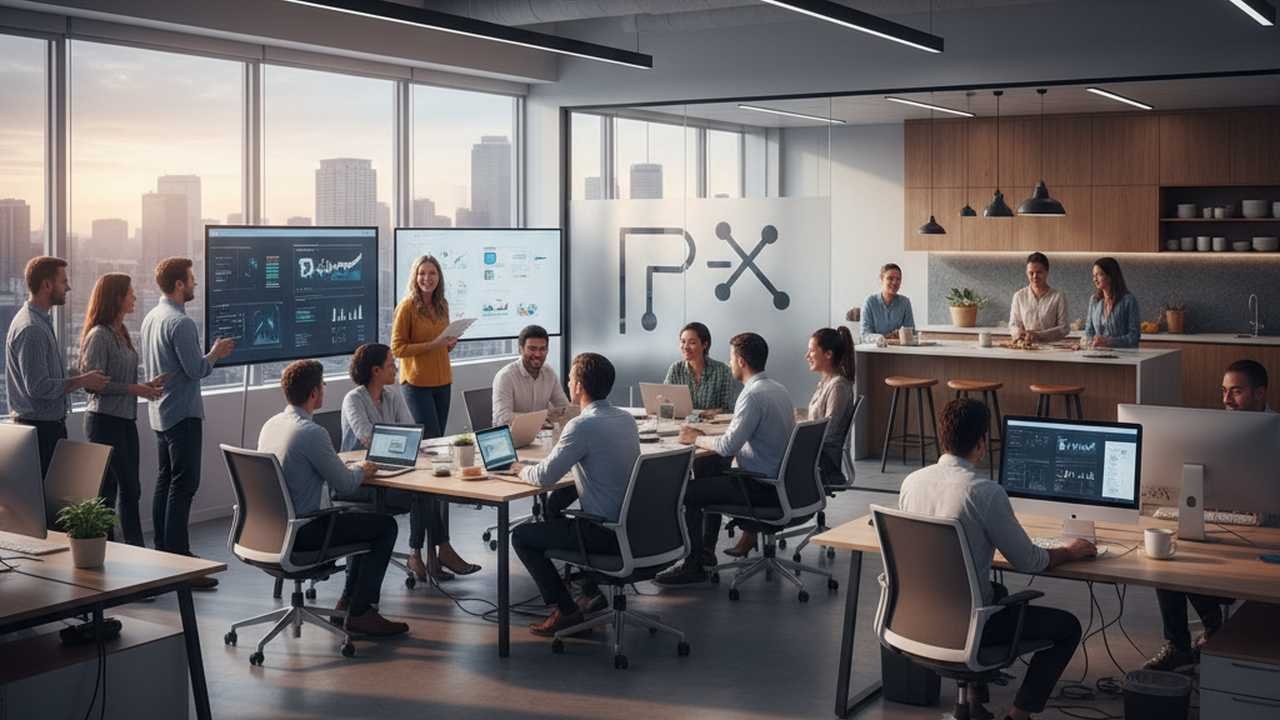
One of the most transformative benefits of 5PL logistics solutions is enhanced supply chain visibility and control. In a typical multi-tier supply chain, tracking shipments, monitoring inventory, and ensuring timely deliveries can be a logistical nightmare. 5PL providers solve this by offering a comprehensive dashboard that consolidates data from every supplier, carrier, and warehouse, providing a real-time snapshot of the entire operation. This transparency allows business leaders to make informed decisions quickly, whether rerouting shipments due to unforeseen disruptions or reallocating inventory to high-demand regions.
Additionally, 5PL logistics solutions empower companies to implement proactive risk management strategies. Predictive analytics can anticipate potential delays caused by weather, political instability, or transportation bottlenecks. Automated alerts ensure that stakeholders are immediately informed of issues, enabling rapid response and minimizing financial losses. The ability to monitor and control every facet of the supply chain not only enhances operational efficiency but also builds trust with customers and partners, as they can rely on accurate delivery forecasts and consistent service quality.
Leveraging Advanced Technology for Efficiency
5PL logistics solutions are distinguished by their reliance on advanced technology to drive efficiency and precision. AI-powered route optimization, machine learning algorithms for demand forecasting, and blockchain-enabled transparency are just a few examples of the tools that elevate 5PL performance. These technologies automate repetitive tasks, reduce human error, and ensure that data-driven insights are always available for strategic decision-making. By adopting these innovations, businesses can significantly reduce lead times, improve order accuracy, and enhance overall customer satisfaction.
For instance, predictive analytics can identify patterns in shipping delays and recommend alternative carriers or routes to maintain delivery schedules. Blockchain technology ensures that every transaction is securely recorded and traceable, increasing accountability and reducing the risk of fraud. The integration of IoT-enabled devices provides real-time monitoring of temperature-sensitive goods, ensuring compliance with safety regulations and preserving product integrity. These technological advantages underscore why 5PL logistics solutions are not just a convenience but a necessity for businesses aiming to compete in a fast-paced global economy.
Enhancing Customer Experience Through 5PL
In today’s consumer-driven market, customer expectations for speed, transparency, and reliability are higher than ever. 5PL logistics solutions directly contribute to enhanced customer experiences by ensuring that products arrive on time, in perfect condition, and with real-time tracking information. Customers benefit from predictable delivery schedules, accurate order updates, and a seamless interaction with the brand, which fosters loyalty and repeat business. The ability to provide these high-touch services can distinguish a company from its competitors and position it as a trusted provider in the eyes of customers.
Moreover, 5PL solutions facilitate personalized logistics strategies tailored to specific customer needs. For example, businesses can implement flexible delivery options, same-day or next-day shipping, and intelligent returns management that reduces friction and inconvenience. By integrating these capabilities, companies can meet diverse customer demands while maintaining operational efficiency. The result is a powerful combination of speed, reliability, and personalization that strengthens brand reputation and drives long-term growth, demonstrating the clear value of adopting 5PL logistics solutions.
Cost Optimization and Strategic Resource Management
Implementing 5PL logistics solutions also yields substantial cost optimization and strategic resource management benefits. By consolidating logistics services and leveraging technology for predictive planning, companies can reduce unnecessary expenditures on storage, transportation, and labor. 5PL providers analyze the entire supply chain to identify inefficiencies, propose cost-saving alternatives, and negotiate better rates with carriers and suppliers. This strategic approach ensures that every dollar spent contributes directly to operational performance and profitability.
Additionally, resource management extends to human capital and equipment utilization. Automated processes reduce manual intervention, freeing staff to focus on high-value tasks such as strategic planning and customer engagement. Advanced fleet management systems maximize the use of vehicles, minimize idle time, and optimize fuel consumption. By taking a holistic view of both financial and operational resources, 5PL logistics solutions enable businesses to maintain lean, efficient operations that scale smoothly with growth, delivering measurable ROI and competitive advantage.
Real-World Success Stories and Verified Outcomes
Businesses that have embraced 5PL logistics solutions often report transformative results. For instance, a global electronics manufacturer reduced delivery lead times by 30% while cutting logistics costs by 15% through a fully integrated 5PL strategy. Similarly, an e-commerce retailer leveraged predictive analytics and real-time tracking to achieve a 98% on-time delivery rate, resulting in higher customer satisfaction and increased repeat purchases. These examples highlight the tangible impact of 5PL logistics solutions on both operational performance and financial outcomes.
Verified outcomes also demonstrate the security and reliability of 5PL providers. Reputable firms maintain strict compliance with international trade regulations, employ licensed carriers, and provide insured, traceable shipments. Responsive customer service and transparent reporting further enhance trust, ensuring that businesses and their clients can confidently engage in global commerce. By examining these real-world scenarios, companies can see that adopting 5PL logistics solutions is not a speculative investment but a strategic decision backed by measurable results.
Future Trends in 5PL Logistics Solutions
The landscape of 5PL logistics solutions is continuously evolving, driven by advances in AI, robotics, and data analytics. Future trends point toward even greater automation, predictive capabilities, and sustainable practices. For example, autonomous delivery vehicles and drones promise faster, more efficient last-mile deliveries, while AI-driven demand planning will further minimize waste and optimize inventory. Additionally, sustainability initiatives are becoming a key differentiator, with 5PL providers increasingly integrating green logistics strategies to reduce carbon footprints and promote environmental responsibility.
Businesses that adopt forward-looking 5PL solutions position themselves to capitalize on these innovations, gaining early access to technologies that enhance efficiency, transparency, and customer satisfaction. By anticipating future trends, companies can remain agile, competitive, and resilient in the face of global supply chain challenges. Embracing 5PL logistics solutions today ensures that businesses are not only prepared for current demands but are also ready to thrive in the logistics landscape of tomorrow.
Making the Decision: Choosing the Right 5PL Provider
Choosing the right 5PL logistics solutions provider is a critical decision that can determine the success of your supply chain strategy. Businesses must evaluate providers based on technological capabilities, industry expertise, global network reach, and customer support responsiveness. Verified references, case studies, and performance metrics should guide the selection process to ensure that the partnership delivers measurable value. Transparent pricing, licensing, and security protocols further demonstrate a provider’s reliability and commitment to excellence.
Ultimately, the decision to partner with a 5PL provider is an investment in operational resilience, scalability, and competitive advantage. Companies that act decisively can unlock unparalleled efficiency, cost savings, and customer satisfaction. For businesses ready to transform their logistics and seize market opportunities, now is the moment to embrace 5PL logistics solutions and secure their position at the forefront of global supply chain innovation. Order your 5PL solution now and experience the future of logistics today.
In conclusion, the Wilson Logistics Arena stands as a testament to the power of innovation and community engagement, creating a vibrant space for collaboration and growth. As this hub continues to evolve, it will undoubtedly foster a future where creativity and connectivity thrive.