Yes or no: Do you want to make a tangible impact on the planet without wasting years figuring it out yourself? If your answer is yes, environment and sustainability courses might be the shortcut you didn’t know you needed.
These courses are not just academic exercises – they are efficiency tools for anyone serious about creating measurable environmental change. From reducing carbon footprints at the organizational level to personal lifestyle adjustments, mastering sustainability is about working smarter, not harder.
Life Hack #1: Choose Courses With Hands-On Projects
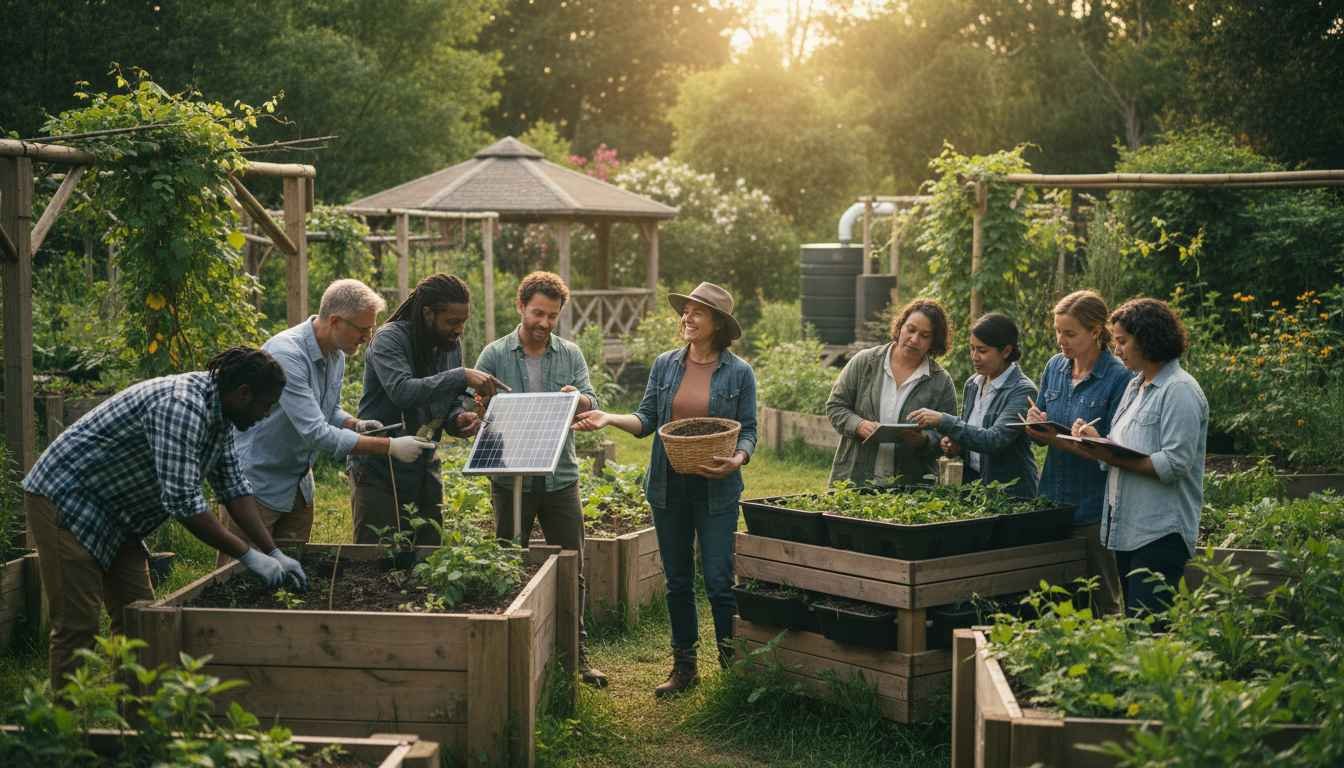
Theoretical knowledge is useful, but it rarely sticks without application. Look for courses that include fieldwork, lab experiments, or real-world projects. For example, a sustainability course that partners with local urban farms or energy companies will teach you more about renewable systems than months of lectures ever could.
Hands-on experience builds intuition. You learn how to troubleshoot, adapt to real-world constraints, and see firsthand the impact of your actions – skills no textbook can replicate.
Life Hack #2: Target Interdisciplinary Programs
Environment and sustainability intersect with economics, engineering, policy, and even psychology. Choosing courses that bridge these disciplines multiplies your efficiency. Instead of learning in silos, you’ll develop a systems-level understanding, enabling smarter decisions in complex scenarios.
Case in point: A corporate sustainability officer who understands behavioral economics can design employee programs that reduce energy use without additional resources – pure efficiency at work.
Life Hack #3: Prioritize Certifications That Employers Recognize
Not all courses carry the same weight in professional settings. Look for recognized certifications like LEED accreditation, ISO 14001 training, or verified online credentials from universities with strong environmental programs. These accelerate career advancement and ensure your skills translate into measurable outcomes.
Being strategic about which certifications you pursue saves time, avoids redundancy, and ensures you’re building credentials that matter.
Life Hack #4: Leverage Online Platforms
Online courses can compress years of study into a few months. Platforms like Coursera, edX, and FutureLearn offer environment and sustainability courses from top universities, often including interactive labs and peer-reviewed projects. You can learn at your own pace, skip repetitive basics, and focus on advanced skills that align with your goals.
This flexibility also allows you to test multiple areas – like conservation, energy management, and sustainable business practices – without overcommitting to a single track.
Life Hack #5: Track and Measure Your Progress
Efficiency is meaningless if you can’t measure results. Treat your courses like a project: define key outcomes (e.g., energy reduction, waste diversion, biodiversity impact), track progress, and adjust strategies based on results. This approach mirrors sustainability reporting in professional contexts, giving you a real-world advantage.
Tools like digital dashboards, project management software, and sustainability trackers turn abstract knowledge into actionable, quantifiable skills.
Safety First
⚠️ Not all courses are created equal. Some programs may provide outdated practices or incomplete environmental frameworks. Always verify course accreditation, instructor credibility, and recentness of the curriculum before enrolling. This prevents wasted time and ensures your efforts create real-world impact.
Life Hack #6: Join Community and Professional Networks
Networking is an underappreciated life hack. Engaging with sustainability-focused groups – whether online or in-person – gives you access to mentorship, volunteer opportunities, and collaborative projects. Communities accelerate learning by sharing best practices, resources, and even mistakes you can avoid.
Joining a local climate action network can also bring contacts, mentors and real projects that coursework alone cannot offer.
Life Hack #7: Apply Micro-Projects Immediately
Don’t wait until course completion to implement change. Start micro-projects: monitor local water usage, audit waste streams, or design a small urban garden. Immediate application reinforces learning, highlights gaps, and demonstrates tangible impact to yourself and others.
Life Hack #8: Keep Updated on Policy Changes
Sustainability isn’t static. Legislation, climate goals, and corporate standards evolve constantly. Courses that integrate current policy trends, incentives, and environmental regulations save you from investing in outdated methods. Professional gatherings can also keep you current; our Water Quality and Technology Conference guide explains what environmental professionals actually gain from attending. This knowledge allows you to make smarter, compliant, and more cost-effective interventions.
Life Hack #9: Blend Technology With Sustainability
Efficiency in environmental action is often tech-driven. Courses teaching GIS mapping, renewable energy modeling, or data analytics for sustainability allow you to optimize projects quickly. For a related look at how energy-efficient design is put into practice, see our guide to Hayaudio insulation technology and energy efficiency. Technology helps measure outcomes accurately, allocate resources efficiently, and scale successful interventions.
Potential Drawbacks
Not all learners benefit equally. Those seeking purely theoretical knowledge, expecting instant career transformation, or unwilling to commit to practical projects may find these courses frustrating. Additionally, some programs require significant financial or time investments. Evaluate whether the course aligns with your objectives before enrolling.
Life Hack #10: Integrate Sustainability Into Daily Habits
The ultimate efficiency hack is embedding environmental principles into your routines. Courses provide frameworks and knowledge, but consistent action ensures long-term impact. Start small: reduce single-use plastics, optimize commuting, or influence workplace practices. Scaling up from micro-level actions to systemic change is where true sustainability occurs.
Final Thoughts
By strategically selecting environment and sustainability courses, applying hands-on learning, leveraging technology, and measuring your impact, you maximize results while minimizing wasted effort. Efficiency isn’t just a professional skill – it’s a life skill, and sustainability demands it.