There was a strange period, not long ago, when choosing a holiday meant checking case numbers, quarantine rules, and whether a destination would even let you in. Travellers stopped asking “where is exciting?” and started asking “where is safe, spacious, and outdoors?” The answers they found — wide-open national parks, remote islands, quiet coastlines — changed how many people travel, and some of those lessons are still worth keeping.
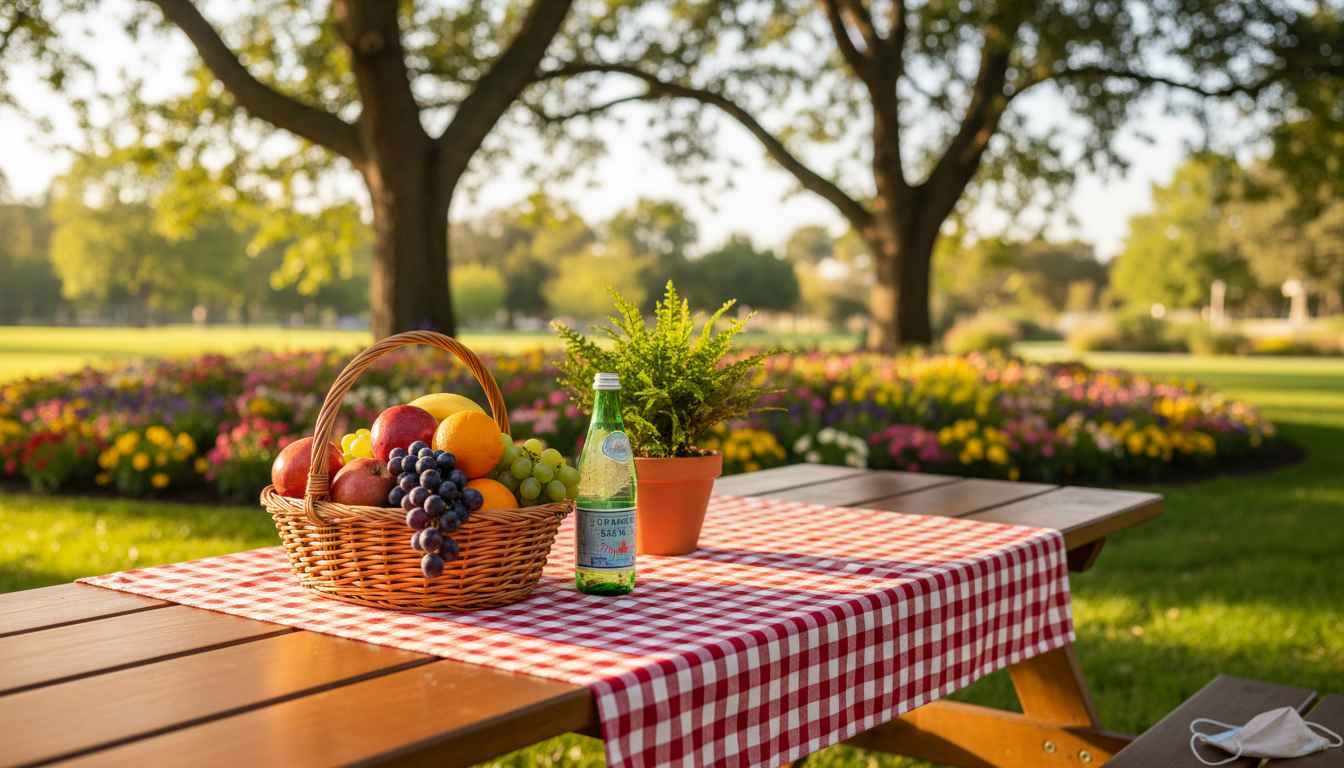
One important clarification before anything else: this article is about the pandemic era as history, not as current travel advice. Pandemic restrictions have ended, and the mask mandates, capacity limits, and quarantine rules described below no longer apply in the way they once did. What remains useful is the underlying idea — that spacious, outdoor, low-crowd destinations make for calmer, more restorative trips — and that idea is worth carrying forward without pretending the pandemic is still happening.
What Pandemic-Era Travellers Were Actually Looking For
During the pandemic, the priorities of travel flipped. Crowded attractions, packed indoor venues, and tightly scheduled group tours lost their appeal, while open air, low population density, and self-contained stays gained it. Travellers favoured places where they could walk, hike, drive, and eat outdoors, and where a change of plans did not ruin the trip.
That shift favoured three kinds of destination above all: large natural landscapes, remote islands and coastlines, and small towns where daily life happens outdoors. It also favoured slower travel — longer stays in one place, rental homes and cabins over busy hotels, and road trips over multi-stop itineraries. The goal was not to see as much as possible, but to feel safe and unhurried while seeing something worthwhile.
Outdoor Landscapes That Defined the Era
American national parks became the symbol of pandemic-era travel. Yellowstone and the Grand Canyon offered vast open spaces where visitors could hike, watch wildlife, and keep their distance without effort. Their appeal was not new — both were beloved long before the pandemic — but the era gave people a new reason to value scale: when a landscape is that large, solitude is easy to find even on a popular trail, provided you start early or walk a little further than the crowds.
The lesson that survives is practical rather than pandemic-specific. In any popular natural destination, timing and route choice matter more than the destination’s fame. Early starts, lesser-known trailheads, and shoulder-season visits turn a busy park into a quiet one, and those habits serve travellers in any year.
For travellers drawn to wide-open American landscapes, a broader look at the top places to visit in the US helps put Yellowstone and the Grand Canyon in context alongside other national parks, coastlines, and cities worth a longer trip.
Remote Getaways: Iceland and the Faroe Islands
Remote islands offered a different version of the same idea: not just space, but separation. Iceland, with its waterfalls, black-sand beaches, geothermal pools, and long empty roads, suited travellers who wanted dramatic scenery without dense crowds. Its small population and vast interior meant that a day’s drive could pass through landscapes with almost nobody else in sight.
The Faroe Islands, between Iceland and Norway, offered something even quieter: steep green cliffs, tiny villages, seabird colonies, and weather that changes by the hour. They were never a mass-tourism destination, and during the pandemic that was precisely the point. Remote does not mean easy, though — both destinations reward travellers who plan for changeable weather, limited services outside main towns, and slower transport. The trade-off for solitude is self-reliance.
That trade-off is the most transferable lesson of all. A remote getaway is restorative when you choose it deliberately — you accept fewer restaurants and shops in exchange for silence, scenery, and space. It is frustrating when you expect city convenience in a place whose charm is the absence of it.
Quiet Coasts and Small Towns Closer to Home
Not every pandemic-era escape required a long flight. Coastal regions with long shorelines, small harbour towns, and rural hinterlands offered the same formula at a smaller scale: walkable centres, outdoor eating, beaches with room to spread out, and accommodation that did not funnel everyone through a single lobby.
Nova Scotia’s coastline is a good example of this pattern — working harbours, coastal trails, and small communities where the main attractions are the sea, the food, and the pace of life. A guide to the top places to visit in Nova Scotia shows how a region built around coastline and community can suit travellers who want beauty without bustle.
The broader principle applies anywhere: look for destinations where the best experiences are outdoors and spread out, rather than concentrated in one crowded site. A region with many good small places beats a region with one famous place and long queues.
What to Keep — and What to Leave Behind
Keep the habits that made pandemic-era travel calmer. Travel in shoulder seasons when you can. Choose accommodation that gives you space and flexibility. Build slack into your itinerary so a delayed flight or a rainy day does not unravel the trip. Prefer walking, cycling, and outdoor activities where they suit the destination. These are simply good travel habits, and they were good before the pandemic too.
Leave behind the era’s specific rules. Do not plan a trip around old mask policies, capacity limits, or quarantine requirements — they are history, and any article still presenting them as current is out of date. Before any trip, check the current entry requirements, local guidance, and seasonal conditions for your actual destination, from official sources, rather than relying on pandemic-era posts.
Also leave behind the idea that “safe” meant “empty.” The safest and most enjoyable trips were rarely the ones to the most isolated place; they were the ones where travellers understood the local context, respected local communities, and chose activities suited to the setting. That judgement matters far more than any single destination list.
Final Thoughts
The best places to visit during the pandemic were not, in the end, a fixed list of approved destinations. They were the places that gave people what that strange period demanded: space, fresh air, flexibility, and a slower pace. Those qualities have not expired with the pandemic. A quiet coastline, a vast national park, or a remote island still offers the same calm — now without the restrictions that once made them necessary. Travel for those qualities because you enjoy them, not because a crisis requires them, and you will have kept the one part of pandemic travel that was genuinely worth keeping.
FAQ
Is pandemic travel advice still current?
No. The restrictions, mandates, and quarantine rules of the pandemic era have ended. Treat pandemic-era guides as history, and always check current entry requirements and local guidance for your destination before travelling.
Why did outdoor destinations become so popular during the pandemic?
Because they offered natural space, fresh air, and activities that did not require crowds or enclosed venues — exactly what travellers needed when indoor gatherings and busy attractions felt risky or were closed.
Are remote destinations still worth visiting now?
Yes, for the right traveller. Iceland, the Faroe Islands, and quiet coastal regions remain rewarding for people who value scenery, solitude, and a slower pace — provided they plan for weather, limited services, and longer travel times.