Some places you visit; others you remember for the rest of your life. The destinations in this guide fall firmly into the second group. They are not the obvious capitals or the beaches everyone has already seen on social media. They are salt flats that turn into mirrors, canyons carved by water into waves of stone, villages painted a single colour, and islands that feel like another planet.
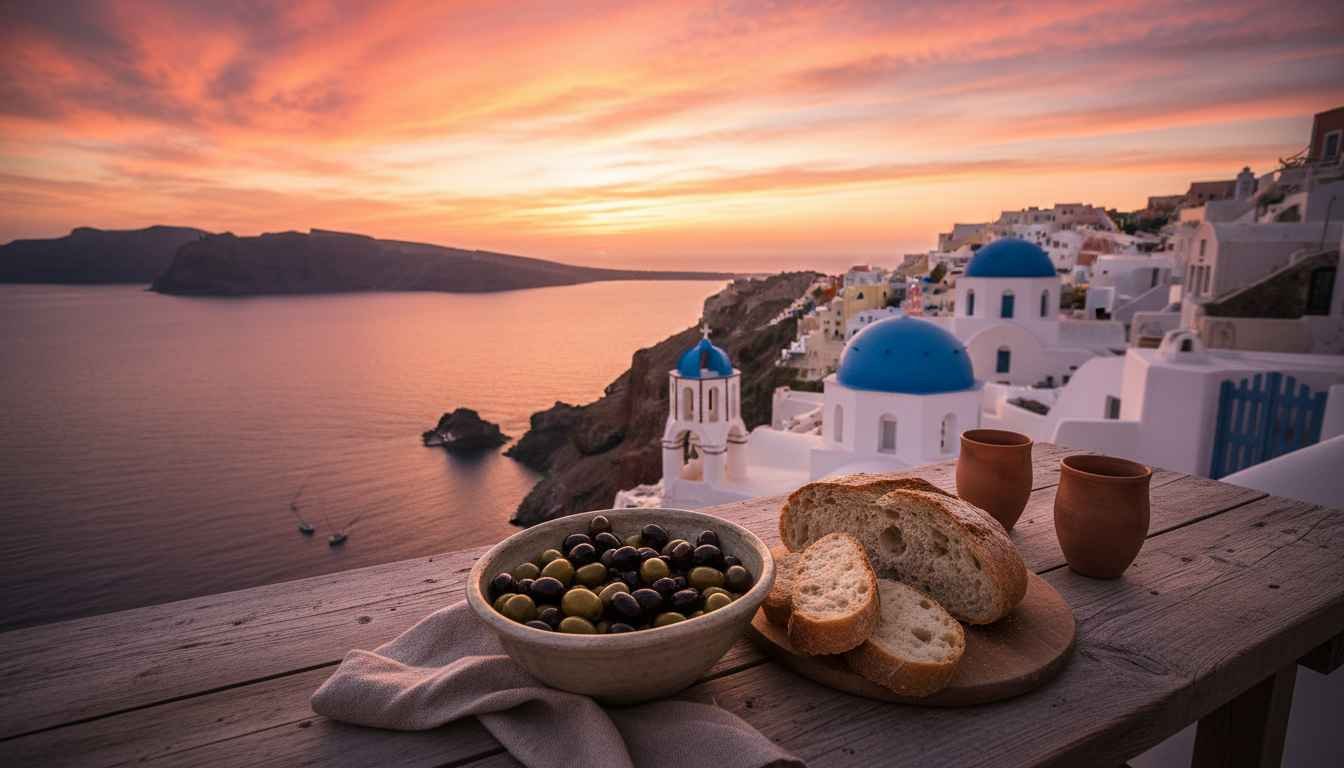
Each place below is genuinely different from the last, and each rewards travellers who are willing to go a little further off the main route. Practical notes are included so you can judge which ones fit your trip.
1. Salar de Uyuni, Bolivia
The world’s largest salt flat stretches so far in every direction that the horizon simply disappears. In the dry season, the ground is a blinding white expanse of hexagonal salt patterns. In the wet season, a thin layer of water turns the whole flat into a mirror, reflecting sky so perfectly that it becomes hard to tell where earth ends and sky begins. Most visitors join a multi-day tour from Uyuni town, which also takes in coloured lagoons, geysers and rock formations in the surrounding high desert. Go with a reputable operator and allow time to acclimatise to the altitude.
2. Cappadocia, Turkey
Cappadocia’s landscape of fairy chimneys — tall, thin spires of soft rock — was shaped by volcanic eruptions and centuries of erosion, then hollowed out by people into cave homes, churches and entire underground cities. The classic experience is a sunrise hot-air balloon flight over the valleys, but the region is just as rewarding on foot: hike the Red and Rose Valleys, sleep in a cave hotel in Göreme, and visit the rock-cut churches of the Göreme Open-Air Museum, a UNESCO World Heritage site.
3. Petra, Jordan
Petra is famous for a reason, and it still manages to surprise. You enter through the Siq, a narrow canyon whose walls tower overhead, and then the Treasury appears suddenly at the end of the passage. Beyond it lies a whole Nabataean city carved into rose-red rock: tombs, a theatre, a monastery reached by hundreds of steps, and desert trails that lead to viewpoints over the entire site. Arrive early to beat the crowds and the heat, and allow a full day rather than a rushed half-day visit.
4. Waitomo Glowworm Caves, New Zealand
Deep underground in New Zealand’s North Island, thousands of tiny glowworms light the ceilings of limestone caves like a star field. The classic boat ride drifts silently through the Glowworm Grotto in darkness, and the effect is genuinely magical rather than gimmicky. Other caves in the same area offer more adventurous options, including black-water rafting through underground rivers. Waitomo sits between Auckland and the geothermal town of Rotorua, making it an easy stop on a North Island road trip.
5. Zhangjiajie, China
The towering sandstone pillars of Zhangjiajie National Forest Park look impossible — narrow columns of rock rising hundreds of metres out of forested valleys, often wreathed in mist. They famously inspired the floating mountains of the film Avatar, and the comparison is fair. Glass walkways, cable cars and a glass bridge over a deep canyon offer vertigo-inducing viewpoints, but the best experience is hiking the quieter trails early in the morning, when the mist is still moving between the pillars.
6. Wadi Rum, Jordan
Wadi Rum is a desert of red sand, towering sandstone mountains and narrow canyons, inhabited by Bedouin communities for generations. Visitors usually explore by four-wheel-drive tour, camel trek or multi-day hike, sleeping in Bedouin-style camps under some of the clearest night skies anywhere. The landscape has doubled as Mars in several films, and standing among its rock bridges and ancient inscriptions at sunset, it is easy to see why. Combine it with Petra for a Jordan trip that pairs an ancient city with open desert.
7. Chefchaouen, Morocco
Chefchaouen, the Blue City of Morocco’s Rif Mountains, is painted in shades of blue that run from pale sky to deep indigo across its houses, doors and stairways. Nobody agrees entirely on why the tradition began, which only adds to its charm. The medina is small, walkable and far calmer than the souks of Marrakech or Fez, and the surrounding hills offer hikes to waterfalls and viewpoints over the town. It pairs well with a few days in Fez or Tangier.
8. The Faroe Islands
Halfway between Iceland and Norway, the Faroe Islands are a cluster of eighteen rugged islands connected by tunnels, bridges and ferries. Cliffs plunge into the North Atlantic, waterfalls drop straight into the sea, and sheep outnumber people. Highlights include the sea stacks at Múlafossur, the village of Saksun, and the bird cliffs of Vestmanna. The weather changes fast and the islands are best explored slowly, by car, with waterproofs packed whatever the forecast says.
9. Antelope Canyon, Arizona, USA
Antelope Canyon is a slot canyon carved by flash floods into swirling, wave-like walls of sandstone. Light beams filter down into the Upper Canyon around midday, while the Lower Canyon offers longer, more adventurous passages with ladders and narrower squeezes. The canyon sits on Navajo land and can only be visited with a Navajo guide, so book ahead — permits and tours sell out, especially in the summer light-beam season. Pair it with nearby Horseshoe Bend and Lake Powell for a classic Arizona road-trip stop.
10. Hallstatt, Austria
Hallstatt is a lakeside village in the Austrian Alps so picturesque that a replica of it was built in China. Pastel houses line the shore of Lake Hallstatt beneath steep mountains, and the village’s salt mine — one of the oldest in the world — can be visited by funicular. Hallstatt is small and can feel crowded at midday, so stay overnight if you can and enjoy the early morning and evening, when day-trippers have left and the lake is still. It makes a beautiful stop between Salzburg and Vienna.
Planning a Trip Around Unique Places
Unique destinations often need more planning than ordinary ones. Check whether a guide, permit or advance booking is required — Antelope Canyon and Petra’s back trails, for example, work very differently from a city museum. Travel in the shoulder season where you can: the light is often better for photography, crowds are thinner, and prices drop. And build in buffer days, especially for remote places such as Salar de Uyuni or the Faroe Islands, where weather can change plans at short notice.
If these places have sparked ideas for a wider trip, our guides to top places to visit in Nova Scotia and the top ten best places to visit in the US cover more coastal and classic destinations in the same practical style.
FAQ
What is the most unique place in the world to visit?
There is no single answer, because uniqueness is personal: Salar de Uyuni’s mirror effect, Cappadocia’s cave cities and Waitomo’s glowworms are all unlike anywhere else, but for completely different reasons. The places in this guide were chosen because each one offers an experience you cannot easily replicate elsewhere.
Are unique destinations expensive to visit?
Not necessarily. Some, such as Chefchaouen or Hallstatt, are affordable once you arrive. Others, such as Salar de Uyuni or the Faroe Islands, cost more because of remote transport and guided tours. The main cost is usually getting there, so combining nearby unique places into one trip — Petra with Wadi Rum, for example — gives better value.
When is the best time to visit these places?
It varies by destination: Salar de Uyuni’s mirror effect needs the wet season, while Antelope Canyon’s light beams are strongest in summer. Check the specific season for each place before booking rather than assuming one month suits them all.
Final Thoughts
The world’s unique places share one quality: they remind you how strange and beautiful the planet can be. Whether you are floating across a salt mirror in Bolivia, drifting under glowworms in New Zealand, or watching the sun rise over Cappadocia’s valleys, these are the trips that become stories you tell for years. Pick one that genuinely excites you, plan around its season, and give it the time it deserves.