Places to Visit in Korea During Winter: 12 Best Winter Destinations

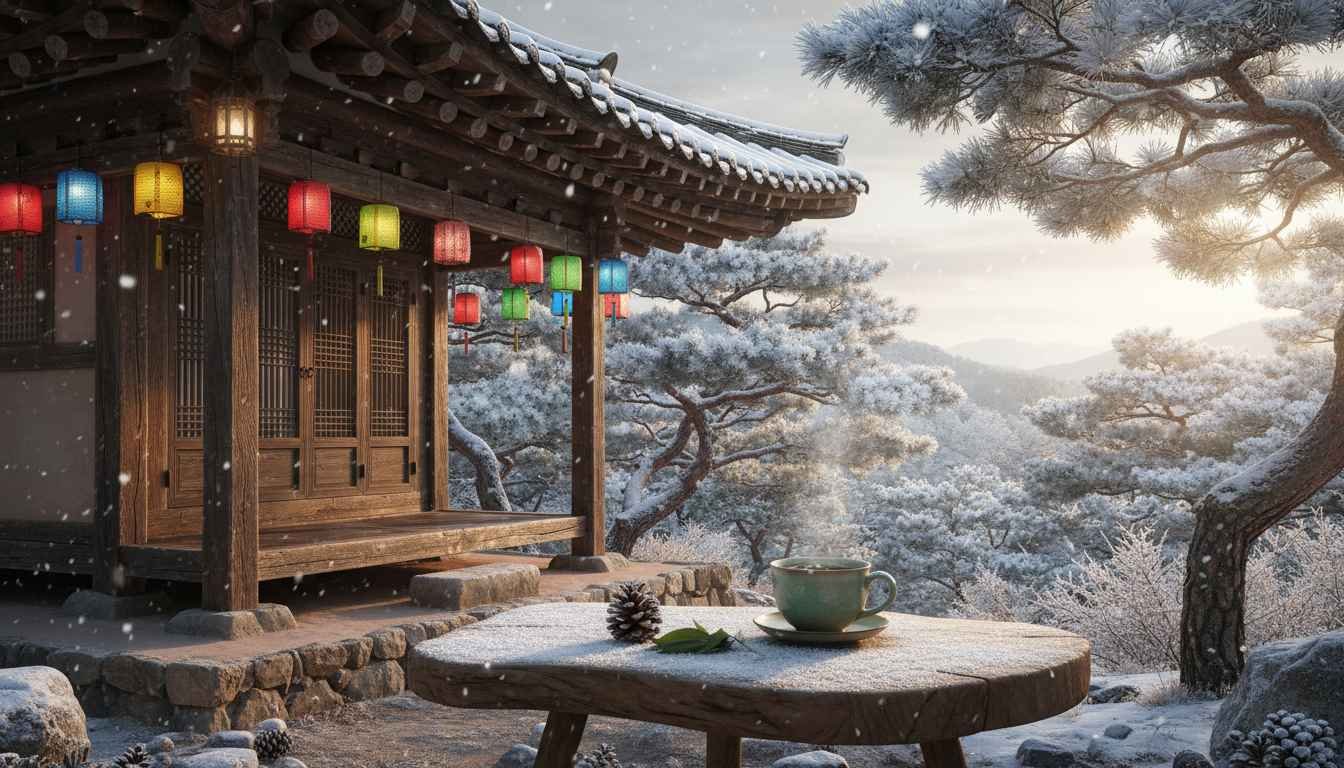
Snow-covered Korean traditional architecture with mountains and winter travelers

Winter transforms South Korea into a beautiful mix of snow-covered mountains, illuminated streets, historic architecture, frozen landscapes, and lively seasonal festivals. If you are looking for the best places to visit in Korea during winter, the country offers far more than snowy scenery.

From the cultural attractions of Seoul to the ski resorts of Gangwon State and the coastal scenery of Busan and Gangneung, winter allows travelers to experience different sides of South Korea. You can ski, explore traditional palaces, attend winter festivals, photograph snowy landscapes, or simply enjoy Korea’s famous food and café culture in colder weather.

If you are planning a broader trip, our guide to the top places to visit in South Korea can also help you compare destinations beyond the winter season.

Best Places to Visit in Korea During Winter

Destination Best For Winter Highlights
Seoul Culture and first-time visitors Palaces, markets, shopping, winter lights
Pyeongchang Skiing and snow Ski resorts and mountain scenery
Hwacheon Winter festivals Ice fishing and snow activities
Gangneung Coastal winter travel Beaches, cafés and sunrise views
Jeju Island Nature and scenery Volcanic landscapes and coastal attractions
Busan Coastal city breaks Markets, beaches and cultural attractions
Jeongseon Mountain experiences Snowy landscapes and winter activities
Muju Snow-covered mountains Deogyusan and winter scenery
Gapyeong Day trips from Seoul Gardens, lights and peaceful scenery
Taebaek Snow lovers Mountains and winter festivals
Gyeongju History and culture Historic sites and quieter sightseeing
Inje Nature and photography Birch forests and snowy landscapes

1. Seoul

Best for: First-time visitors, culture, food, shopping and city sightseeing

Seoul is one of the best starting points for a winter trip to Korea. The capital combines historic palaces and traditional neighborhoods with modern shopping districts, restaurants, cafés, museums and entertainment.

Winter can give Seoul a particularly atmospheric appearance. Snow-covered palace grounds and traditional architecture create excellent photography opportunities, while neighborhoods such as Bukchon Hanok Village and Insadong provide a glimpse of Korea’s cultural heritage.

Visitors can explore Gyeongbokgung Palace, walk through traditional neighborhoods, shop in Myeongdong, visit museums and warm up with Korean soups and other winter dishes.

Seoul is also convenient for travelers who want to combine city sightseeing with day trips to winter destinations outside the capital.

2. Pyeongchang

Best for: Skiing, snowboarding and snowy mountain scenery

Pyeongchang is one of the strongest choices for travelers who want a traditional snowy winter experience in South Korea. Located in Gangwon State, the region is known for its mountain environment and winter sports facilities.

The area’s ski resorts offer opportunities for skiing and snowboarding, while visitors who do not participate in winter sports can still enjoy mountain views, resort facilities and the surrounding snowy scenery.

If snow is the main reason for your trip, Pyeongchang should be high on your list of places to visit in Korea during winter.

3. Hwacheon

Best for: Winter festivals, families and unique outdoor activities

Hwacheon becomes especially interesting during Korea’s winter festival season. The region is associated with the Hwacheon Sancheoneo Ice Festival, where visitors can experience ice fishing and other seasonal activities.

The festival atmosphere makes Hwacheon particularly appealing to families and travelers who want something different from ordinary sightseeing.

Because festival dates and operating details can vary, check official information before making specific travel arrangements.

4. Gangneung

Best for: Coastal scenery, cafés and winter relaxation

Gangneung offers a different perspective on winter in Korea. Instead of focusing entirely on snow sports, travelers can explore the east coast, visit cafés, enjoy local food and experience winter sunrise views.

The city’s coastal setting also makes it a useful addition to a Gangwon itinerary. Travelers can combine Gangneung with snowy mountain destinations such as Pyeongchang or Jeongseon.

5. Jeju Island

Best for: Nature, volcanic scenery and coastal exploration

Jeju Island provides a different winter experience from the colder mountainous areas of mainland Korea. The island is known for volcanic landscapes, coastal roads, waterfalls, walking routes and distinctive natural scenery.

Winter visitors can explore lower-elevation attractions and coastal areas or plan activities around Hallasan when weather and trail conditions permit.

Jeju is a particularly good choice for travelers who want nature and scenery rather than making snow sports the focus of their vacation.

6. Busan

Best for: Coastal sightseeing, food and a city getaway

Busan is one of Korea’s most popular coastal cities and can be a good winter destination for travelers who prefer sightseeing over heavy snow activities.

Visitors can explore Haeundae, visit local markets, enjoy seafood, discover cultural attractions and take in coastal views. The city’s combination of urban attractions and seaside scenery makes it easy to fill several days without relying on snowy weather.

7. Jeongseon

Best for: Mountains, snow and a quieter winter trip

Jeongseon is another worthwhile destination in Gangwon State for travelers seeking mountain scenery. Its highland environment makes it particularly attractive during winter.

Visitors can enjoy snowy landscapes, winter activities and scenic surroundings while experiencing a quieter atmosphere than Korea’s major metropolitan areas.

It can work especially well as part of a wider Gangwon itinerary that includes Pyeongchang and Gangneung.

8. Muju and Deogyusan Mountain

Best for: Snow-covered mountain scenery and nature

Muju in North Jeolla Province is home to Deogyusan Mountain and offers dramatic winter scenery for travelers who want to experience Korea’s mountains.

The area can be particularly impressive when snow covers the higher elevations. Depending on operating conditions, visitors can use mountain facilities such as the gondola to access scenic viewpoints.

Always check weather, operating schedules and mountain conditions before traveling to higher elevations during winter.

9. Gapyeong

Best for: Day trips, couples and winter illumination experiences

Gapyeong is a convenient destination for travelers staying in Seoul who want to escape the city for a day or overnight trip.

The Garden of Morning Calm is particularly appealing during its winter lighting season. Illuminated gardens create a peaceful evening atmosphere and provide an attractive option for couples and photographers.

Because Gapyeong is relatively accessible from Seoul, it can be added to an itinerary without requiring a long-distance journey.

10. Taebaek

Best for: Snow lovers, mountains and winter festivals

Taebaek is another excellent destination for travelers who specifically want snow. Its mountainous environment can produce striking winter landscapes.

The area is also associated with seasonal winter events, including the Taebaeksan Mountain Snow Festival. Snow sculptures and mountain scenery can make this an especially memorable stop for winter travelers.

11. Gyeongju

Best for: History, architecture and cultural sightseeing

Gyeongju is one of Korea’s most important destinations for history lovers. Once the capital of the ancient Silla Kingdom, the city contains numerous historic sites and cultural landmarks.

Winter can be a comfortable season for travelers who prefer cultural sightseeing to outdoor winter sports. Historic temples, traditional architecture, ancient tomb complexes and other landmarks can be explored at a slower pace.

If you are still deciding whether Korea is suitable for your trip, our broader guide exploring whether South Korea is a good place to visit provides additional context for planning a trip.

12. Inje and Wondae-ri Birch Forest

Best for: Quiet nature experiences and winter photography

Inje offers a quieter alternative to Korea’s major ski resorts. The Wondae-ri Birch Forest is known for its tall white-barked trees and can become particularly atmospheric when winter snow covers the surrounding landscape.

This destination is ideal for travelers who prefer walking, photography and peaceful natural environments rather than busy winter attractions.

What to Do in Korea During Winter

Go Skiing or Snowboarding

Gangwon State is one of the best regions for winter sports in Korea. Pyeongchang, Jeongseon and other mountain destinations provide opportunities for skiing and snowboarding.

Experience a Winter Festival

Winter festivals provide some of Korea’s most distinctive seasonal experiences. Ice fishing, snow sculptures, winter illumination events and other activities give visitors something different from conventional sightseeing.

Explore Seoul’s Historic Architecture

Winter can create a striking backdrop for Seoul’s traditional architecture. Historic palaces and traditional neighborhoods can look particularly atmospheric during cold or snowy weather.

Enjoy Korean Winter Food

Cold weather is an excellent excuse to explore Korean comfort food. Warm soups, stews, hot snacks and other traditional dishes can make winter sightseeing more enjoyable.

Take a Winter Nature Walk

Travelers do not need to ski to enjoy winter in Korea. Forests, gardens, mountain viewpoints, coastal paths and historic areas provide plenty of opportunities for walking and photography.

When Is the Best Time to Visit Korea in Winter?

The main winter travel season generally runs from December through February. December can be attractive for seasonal illumination events and holiday atmosphere, while January and February are often popular with travelers seeking snow and winter activities.

Conditions vary considerably between regions. Mountain destinations can be significantly colder and snowier than coastal and southern areas.

If skiing, snow festivals or specific winter attractions are the main reason for your trip, check current operating dates and local weather conditions before booking.

What to Pack for a Winter Trip to Korea

  • Insulated winter coat
  • Thermal base layers
  • Warm socks
  • Gloves
  • Hat or beanie
  • Scarf
  • Water-resistant winter footwear
  • Moisturizer and lip balm
  • Portable phone battery
  • Appropriate winter sports clothing if skiing or snowboarding

Visitors heading into mountainous areas should prepare more carefully than those spending most of their trip in major cities.

How Many Days Do You Need for a Korea Winter Trip?

A week is enough to experience several highlights, especially if you combine Seoul with one or two nearby winter destinations.

For example, travelers could spend several days in Seoul before heading toward Pyeongchang or another Gangwon destination. Gangneung can then provide a coastal contrast.

With 10 to 14 days, travelers have more flexibility to combine Seoul, Gangwon State, Busan, Gyeongju or Jeju Island.

The ideal itinerary depends on whether your priority is snow sports, winter festivals, culture, food, photography or nature.

Tips for Visiting Korea During Winter

  1. Check the weather regularly: Snow and freezing temperatures can affect outdoor activities and transportation.
  2. Reserve popular winter resorts early: Weekends and holiday periods can become busy.
  3. Plan indoor alternatives: Museums, markets, cafés and shopping areas are useful when conditions become unpleasant.
  4. Allow extra travel time: Winter weather can affect journeys to mountain destinations.
  5. Dress in layers: Layering makes it easier to move between cold outdoor areas and heated indoor spaces.
  6. Check festival schedules: Seasonal event dates can change from year to year.
  7. Protect electronics from the cold: Low temperatures can reduce battery performance.

FAQs About Places to Visit in Korea During Winter

What are the best places to visit in Korea during winter?

Seoul, Pyeongchang, Hwacheon, Gangneung, Jeju Island, Busan, Jeongseon, Muju, Gapyeong, Taebaek, Gyeongju and Inje are among the best choices, depending on whether you prefer snow, festivals, history, nature or city sightseeing.

Which part of Korea is best for snow?

Gangwon State is one of the strongest choices for travelers looking for snow. Mountain destinations such as Pyeongchang, Jeongseon and Taebaek are particularly suitable for winter scenery and activities.

Is Korea worth visiting in winter?

Yes. Winter offers unique experiences including snowy mountains, ski resorts, ice festivals, seasonal illumination events and atmospheric historic sites.

Is Seoul good to visit in winter?

Yes. Seoul combines historic attractions, museums, shopping, restaurants, markets and indoor entertainment with seasonal winter scenery.

Where should families go in Korea during winter?

Pyeongchang and other winter-resort destinations are suitable for families interested in snow activities. Seoul is also useful because it offers a broad mix of indoor and outdoor attractions.

What month is best for snow in Korea?

January and February are generally strong months for travelers seeking winter conditions and snow, particularly in mountainous regions. Actual snowfall varies each year, so travelers should check current forecasts before their trip.

Final Thoughts

The best places to visit in Korea during winter depend on the experience you want. Seoul is ideal for culture and city sightseeing, Pyeongchang and Jeongseon are strong choices for snow sports, Hwacheon offers distinctive winter festivals, Gangneung provides coastal scenery, and Gyeongju is ideal for history.

For travelers who want a broader understanding of Korea’s destinations, our guide to why Korea is considered such an appealing travel destination can help put these winter destinations into a wider context.

A well-balanced itinerary can combine Seoul’s urban attractions with a snowy mountain destination and a coastal stop. This gives you the opportunity to experience several sides of Korea during one winter vacation.

Before traveling, confirm current attraction hours, transportation schedules, festival dates, ski resort operations and weather conditions. Winter conditions can change quickly, particularly in mountainous areas.

Facebook
Twitter
LinkedIn
Picture of adm_p7s555

adm_p7s555

NexoraPulse is driven by a team of writers and analysts who track emerging trends across technology, business, digital culture, and modern lifestyles. Our focus is on delivering clear, well-researched content that helps readers understand what’s changing, why it matters, and how it impacts the future.