This guide explores what makes a lifestyle barber shop different, which services clients may expect, how to choose the right shop, and why grooming can become an important part of a modern lifestyle.
What Is a Lifestyle Barber Shop?
A lifestyle barber shop combines professional barbering with an experience built around personal grooming and customer comfort. Traditional barbers focus heavily on cutting and styling hair, while a lifestyle-oriented shop may approach the appointment more broadly.
The goal is not simply to finish a haircut. It is to create a grooming experience that feels personalized from consultation through the final styling.
A lifestyle barber shop may incorporate:
- Precision men’s haircuts
- Beard trimming and shaping
- Hot towel treatments
- Traditional or modern shaves
- Scalp and hair-care services
- Styling consultations
- Premium grooming products
- Relaxing waiting and service areas
- Personalized recommendations for home maintenance
The exact service menu differs from one business to another, so clients should review the shop’s current offerings before booking.
Why the Lifestyle Barber Shop Concept Is Different
The modern grooming customer often wants more than a technically correct haircut. They may want help choosing a style, maintaining facial hair, understanding products, or developing a consistent grooming routine.
This creates an opportunity for barbershops to become part of a client’s lifestyle rather than simply serving as an occasional haircut destination.
Personalized service
A strong barber begins by understanding the client’s preferences, hair characteristics, facial hair, daily routine, and desired appearance. This consultation can help prevent the common problem of choosing a haircut simply because it looks good in a photograph.
Attention to detail
Small details can have a major impact on the finished look. Clean lines, balanced proportions, properly shaped facial hair, and appropriate styling can make a haircut feel significantly more refined.
Comfort and atmosphere
A lifestyle barber shop typically pays attention to the environment as well as the service. Comfortable seating, organized workstations, good lighting, music, refreshments, and an uncluttered interior can all contribute to the overall experience.
For businesses exploring how lifestyle and surroundings influence the customer experience, our article on Lifestyle Furniture of Troy provides another perspective on how design and comfort can shape an environment.
Popular Services at a Lifestyle Barber Shop
Service menus vary, but several treatments are commonly associated with premium barbering.
Precision haircuts
A precision haircut is built around the client’s preferred shape, hair type, face shape, and maintenance requirements. Common options may include fades, tapers, textured cuts, classic side parts, pompadours, crew cuts, and longer layered styles.
The best choice is not necessarily the most fashionable haircut. A good barber considers whether the style fits the client’s hair and whether the client can realistically maintain it between appointments.
Beard shaping
Beard grooming can dramatically change the overall appearance of a haircut. Professional shaping can define the neckline, cheek line, mustache, and overall beard silhouette.
A barber can also recommend a beard length that complements the client’s face shape and haircut.
Hot towel services
Hot towel treatments are often associated with traditional barbering and can add a relaxing element to a grooming appointment. They may be used before or after certain shaving and facial-grooming services, depending on the shop’s procedures.
Traditional shaving
Some lifestyle barber shops offer straight-razor or traditional shaving services. These services require skill, careful preparation, and appropriate hygiene procedures.
Hair and scalp care
Grooming is not limited to styling. Scalp and hair condition can affect how a haircut looks and feels. The CDC notes that regular hair and scalp hygiene helps remove dirt, oil, residue, and sweat and can support healthier hair and scalp practices. CDC guidance on hair and scalp hygiene provides additional information.
The Importance of Barber Shop Hygiene
Luxury does not mean much if cleanliness and hygiene are neglected. A professional grooming environment should have clear cleaning procedures and properly maintained equipment.
Shared tools and frequently touched surfaces require particular attention. CDC guidance for beauty salons and barbershops has emphasized cleaning and disinfecting workstation surfaces and non-porous reusable tools between clients, along with appropriate hand hygiene.
General CDC cleaning guidance also recommends regularly cleaning high-touch surfaces and following the manufacturer’s instructions for cleaning and disinfecting products.
Clients can therefore look for a shop where:
- Workstations appear clean and organized
- Tools are appropriately cleaned between clients
- Fresh towels and disposable items are used where appropriate
- Barbers maintain good hand hygiene
- Waste is disposed of properly
- Cleaning products are stored and used safely
Specific barbering and cosmetology requirements vary by state and locality, so businesses should follow the rules applicable to their jurisdiction.
How a Luxury Grooming Experience Should Feel
The word “luxury” should not simply describe expensive furniture or premium products. In a lifestyle barber shop, luxury is better understood as a combination of attention, consistency, comfort, and personalization.
1. A proper consultation
The appointment should begin with a conversation about what the client wants. A good consultation helps the barber understand the client’s expectations before the first cut is made.
2. A personalized recommendation
Professional advice can be particularly valuable when a client is considering a major change. The barber can explain which styles may work with the client’s hair texture, face shape, and maintenance routine.
3. Consistent execution
A premium experience should not depend entirely on one exceptional appointment. Clients usually value consistency, particularly when they return every few weeks.
4. A comfortable environment
The physical environment can influence how clients perceive the service. Comfortable chairs, thoughtful lighting, clean workstations, suitable music, and an organized layout can make a routine appointment feel more enjoyable.
5. Useful aftercare advice
A barber can extend the value of an appointment by explaining how to style and maintain the haircut at home. Product recommendations should be based on the client’s actual needs rather than simply pushing the most expensive item.
Choosing the Right Lifestyle Barber Shop
Not every barber shop is right for every client. Before booking an appointment, consider several factors.
Look at the barber’s specialty
Some barbers specialize in fades, others in classic cuts, longer styles, beard work, or traditional shaving. Review examples of their work and choose someone whose skills match your desired style.
Check the service menu
If you want a haircut and beard treatment together, confirm that the shop offers both. Similarly, clients looking for traditional shaving or specialized scalp services should check the current menu before booking.
Evaluate cleanliness
Cleanliness should be a basic requirement, not an optional luxury. A tidy reception area and organized workstation can provide useful clues about the shop’s overall operating standards.
Consider the atmosphere
A barber shop can have excellent technical skills and still be a poor fit if the environment is uncomfortable. Consider whether you prefer a quiet, traditional shop or a more social and contemporary atmosphere.
Read reviews carefully
Reviews can help identify patterns in customer experiences. Pay attention to comments about consistency, communication, punctuality, cleanliness, and whether clients received the style they requested.
How Often Should You Visit a Barber?
There is no universal schedule because hair grows at different rates and different hairstyles require different levels of maintenance.
Clients with short fades or highly structured styles may prefer more frequent appointments because the shape becomes noticeable as the hair grows. People with longer or less structured hairstyles may be able to wait longer between visits.
A practical schedule should consider:
- Hair growth rate
- Haircut length
- Fade or taper maintenance
- Beard growth
- Workplace grooming expectations
- Personal styling preferences
Instead of following a fixed calendar, pay attention to when the haircut stops looking intentional and begins losing its shape.
Building a Grooming Routine Around Your Lifestyle
The most effective grooming routine is one that fits naturally into everyday life. Someone with a demanding schedule may prefer a low-maintenance haircut, while another client may enjoy spending time styling hair and maintaining a detailed beard.
A barber can help create a routine based on:
- Daily styling time
- Hair texture
- Hair length
- Facial-hair growth
- Professional environment
- Personal style
- Product preferences
This lifestyle-based approach can make grooming easier because the haircut is designed around the person’s actual routine rather than an unrealistic styling goal.
Grooming Products: Quality Over Hype
A premium barber shop may carry pomades, clays, creams, oils, shampoos, conditioners, beard products, and other grooming items. However, the most expensive product is not automatically the best choice.
Product selection should reflect the client’s hair type, desired finish, styling habits, and maintenance routine.
For example:
- Clay: Often useful for texture and a more matte finish.
- Pomade: Can provide hold and a smoother appearance depending on the formula.
- Styling cream: May work well for softer, more natural looks.
- Beard oil: Commonly used as part of beard grooming and conditioning routines.
- Shampoo and conditioner: Should be selected according to hair and scalp needs.
Clients should follow product directions and stop using a product if it causes irritation or an unexpected reaction.
Lifestyle Grooming Beyond the Barber Chair
A polished appearance is often the result of several small habits rather than one expensive appointment. Regular hair care, facial cleanliness, appropriate styling, clothing choices, and consistent grooming can work together.
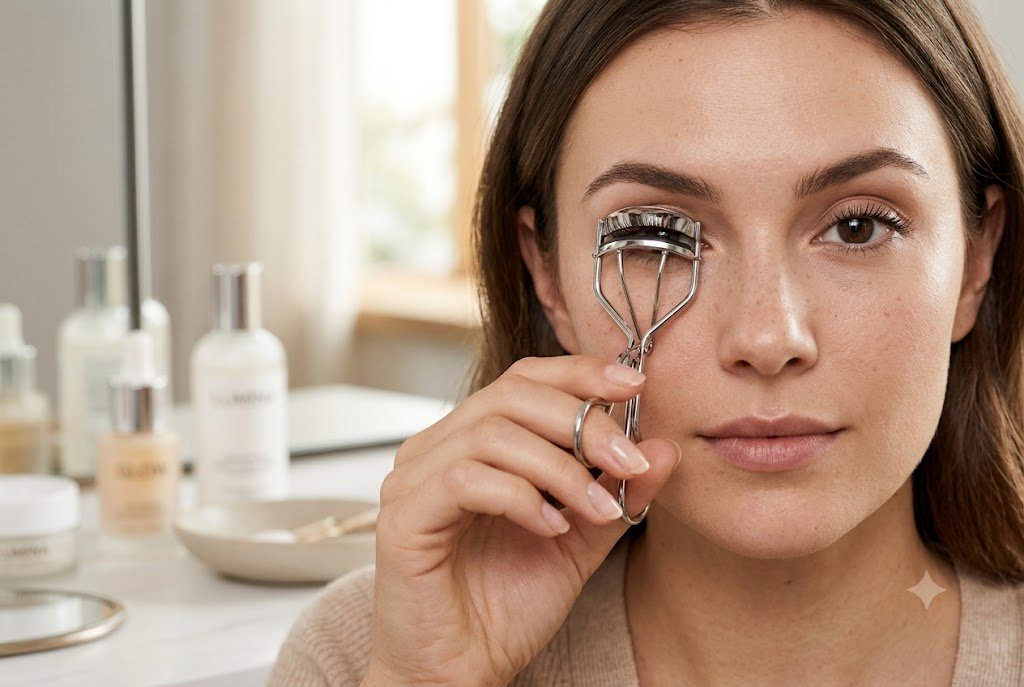
The broader lifestyle category on NexoraPulse also covers topics related to personal appearance, beauty, comfort, and modern living. For example, readers interested in beauty-related routines can explore our article on precision beauty and eyelash grooming.
Similarly, those interested in the broader concept of modern luxury can explore Pragma Lifestyle Joseph Tabet for another perspective on lifestyle and premium living.
What Makes a Barber Shop Feel Premium?
A premium barber shop does not necessarily need to be extravagant. The experience can feel upscale through careful execution of basic details.
- Professional communication
- Clean and organized workstations
- Skilled barbers
- Thoughtful consultations
- Consistent appointment quality
- Comfortable seating
- Appropriate grooming products
- Attention to personal preferences
- Reliable scheduling
- Clear pricing
These details create trust. When clients know what to expect each time they visit, a barber shop can become part of their regular lifestyle rather than an occasional service.
Lifestyle Barber Shop vs. Traditional Barber Shop
| Feature | Traditional Barber Shop | Lifestyle Barber Shop |
|---|---|---|
| Primary focus | Haircuts and classic grooming | Haircuts plus a broader grooming experience |
| Consultation | May be brief | Often more personalized |
| Atmosphere | Can be simple and traditional | Often designed around comfort and experience |
| Services | Usually focused on core barbering | May include expanded grooming treatments |
| Products | May offer basic styling products | May provide a wider selection of premium products |
This does not mean one model is automatically better. A traditional barber shop can provide outstanding service, while a lifestyle barber shop can vary significantly in quality. The individual barber’s skill and the shop’s standards remain the most important factors.
Frequently Asked Questions About Lifestyle Barber Shops
What is a lifestyle barber shop?
A lifestyle barber shop combines professional barbering with a broader focus on grooming, personalization, comfort, and customer experience.
Are lifestyle barber shops more expensive?
They can be, particularly when they offer additional treatments, premium surroundings, or longer appointments. However, pricing varies considerably between businesses.
What services are usually offered?
Services may include precision haircuts, fades, beard shaping, traditional shaving, hot towel treatments, scalp care, styling consultations, and grooming-product recommendations.
How do I choose a good barber?
Review the barber’s previous work, check the service menu, read customer reviews, consider cleanliness, and choose a professional whose specialties match your preferred hairstyle.
How often should I visit?
Your ideal schedule depends on hair growth, hairstyle, beard growth, and how quickly you want to maintain a particular shape. Short fades generally require more frequent maintenance than longer styles.
Why is cleanliness important in a barber shop?
Barbering involves shared tools and frequently touched surfaces. Appropriate cleaning, disinfection, and hand hygiene help maintain a safer grooming environment. CDC guidance emphasizes regular cleaning and appropriate disinfection practices for shared tools and high-touch surfaces.
Final Thoughts
A lifestyle barber shop can turn an ordinary haircut into a more complete grooming experience. The strongest shops combine technical barbering skills with thoughtful consultations, consistent service, comfortable surroundings, appropriate product recommendations, and strong hygiene practices.
For clients, the best approach is to choose a barber based on skill, communication, cleanliness, service quality, and compatibility with their personal style. A luxury experience is ultimately less about appearances and more about leaving the chair feeling confident, comfortable, and well cared for.
This article is intended for general informational purposes. Individual barbering services, sanitation requirements, licensing rules, and business practices can vary by state and locality. Businesses should follow the regulations applicable to their jurisdiction.