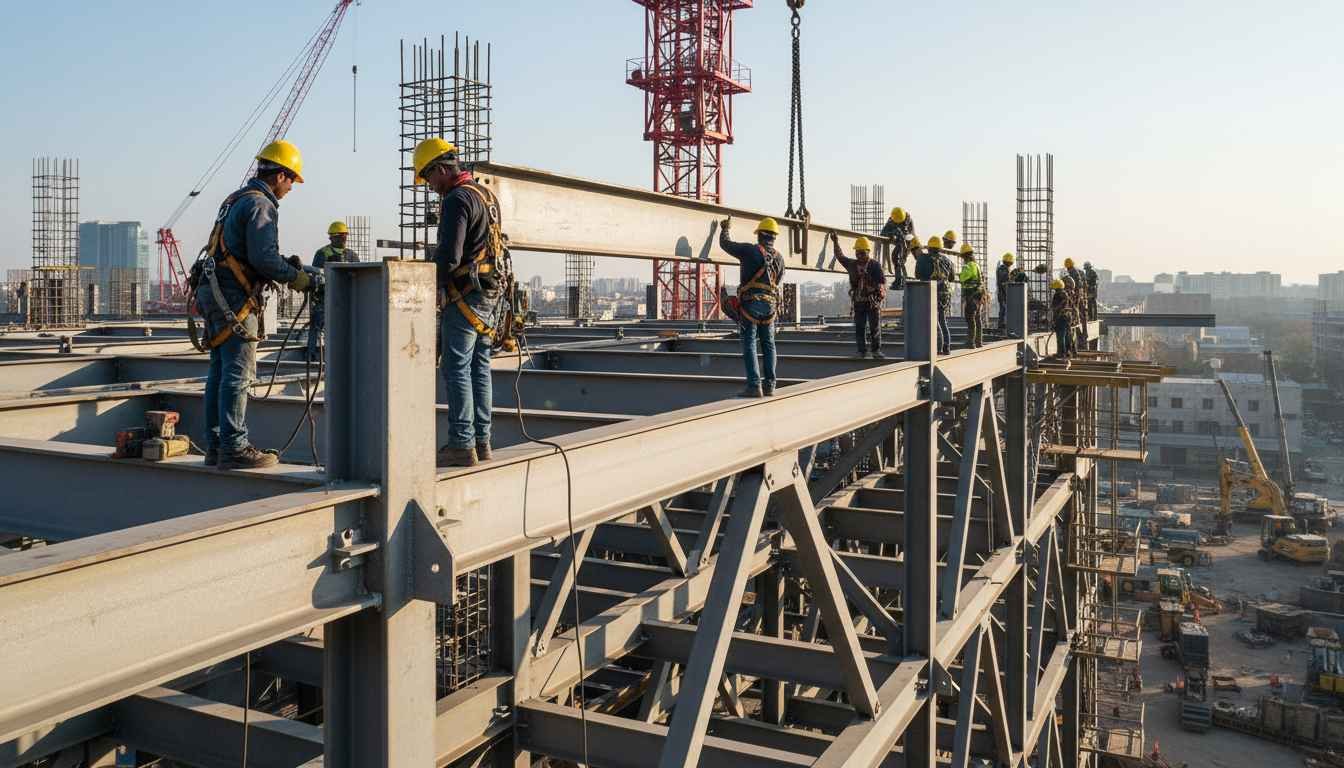
If you have watched a warehouse shell go up in weeks rather than months, you have probably seen steel construction at work. Steel buildings appeal to many commercial and industrial projects because they are durable, flexible and fast to assemble — but speed and strength do not make them right for every project. This guide sets out the real benefits, the genuine drawbacks, and who should think twice, so you can judge whether steel suits your next build.
Steel buildings have been a popular choice for many sectors, ranging from commercial to industrial, due to their durability, flexibility, and cost-effectiveness. But are they right for your next construction project? If you’ve been considering a steel structure, this confession-style breakdown might shed some light on why this material is dominating the industry – and why it might not work for everyone.
Before You Start: Prerequisites for Steel Building Construction
- Access to high-quality steel materials
- Strong project management to avoid delays
- Understanding local building codes and regulations
- A reliable construction equipment supplier for equipment rentals
The Benefits of Steel Building Construction
Steel is not just a sturdy building material; it offers a range of advantages that can make construction smoother and more cost-efficient.
1. Durability and Strength
Steel structures are known for their incredible durability. Unlike traditional wood or brick buildings, steel is highly resistant to fire, pests, and the elements. This makes steel buildings ideal for areas prone to severe weather conditions. Whether it’s a warehouse, factory, or agricultural facility, steel can withstand the test of time.
2. Faster Construction Time
One of the most significant benefits is the speed of construction. Steel buildings are prefabricated, meaning that most of the work is done off-site. The efficiency of that off-site process has much in common with factory production; our guide to improving manufacturing efficiency in automotive parts production explains the lean, automation and inventory principles behind it. When components are delivered to your location, they can be assembled relatively quickly, reducing the time on-site and labor costs. Depending on the complexity, a steel building can be erected in a fraction of the time it would take to build a conventional structure.
For those tight on timelines, the faster turnaround time is a major selling point. But, as any construction veteran knows, faster doesn’t always mean cheaper. Mistakes made during the fast-paced build can lead to future repairs that might offset initial savings.
3. Flexibility and Versatility
Steel is incredibly versatile. It can be used for a variety of building types, from residential homes to expansive commercial facilities. Because steel is easy to manipulate, it allows for more design flexibility, enabling architects and builders to create more complex shapes and structures that would be impossible with traditional materials.
And, the open floor plans possible with steel construction make it easier to modify the space for future needs. Need more room? Just add another steel section. The ease of modification makes steel buildings ideal for businesses that anticipate future growth.
Challenges of Steel Building Construction
While steel construction has a number of advantages, it’s not always the right choice for every project. Here are a few potential drawbacks.
1. High Initial Costs
The upfront cost of steel buildings is often higher than traditional construction methods, mainly due to the cost of materials and the necessary equipment. While steel is relatively cheap compared to other building materials like concrete, it’s important to consider the full scope of the project, including the cost of specialized contractors, permits, and design fees.
Renting high-quality equipment for the project can help, but even with that, the costs may still feel steep. That said, the long-term benefits, including reduced maintenance costs, could make steel buildings a smart investment over time.
2. Specialized Knowledge Required
Steel building construction isn’t something that just any general contractor can handle. It requires specialized knowledge and experience. As such, you’ll need to hire a professional who knows how to handle the complexities of steel frame construction. From sourcing the right materials to adhering to safety standards, this extra level of expertise comes at a cost.
For those without experience in this specific area of construction, finding the right team might take time and effort. Moreover, this means that the construction process might not be as smooth as anticipated, and delays can creep in if the right crew is not on hand.
3. Limited Aesthetic Appeal
Steel buildings tend to have a utilitarian aesthetic. While this might not be an issue for warehouses or agricultural structures, it could be a turnoff for projects that require more curb appeal, such as office buildings or retail spaces. While steel can be designed to look more attractive with the addition of exterior cladding or finishes, this can increase both the cost and construction time.
Who Should Avoid This? Potential Drawbacks
While steel buildings are ideal for certain types of construction, they’re not for everyone. Here’s who might want to think twice before going down this route:
- Small businesses with limited budgets – If you have tight financial constraints, the high initial cost of steel construction might not justify the long-term benefits.
- Residential projects – Although some modern homes are built with steel, this material is more commonly used for commercial or industrial buildings.
- Areas without steel suppliers – If you’re working in a remote area where steel suppliers are scarce, sourcing the materials could become a logistical headache.
Why It Works for Some, but Not All
So, steel building construction isn’t for everyone, but it works wonders in specific scenarios. If your project involves a large, industrial space, and you’re looking for a building that can withstand harsh weather conditions and heavy use, steel could be your ideal material. However, if aesthetics, budget constraints, or residential needs are a priority, you might want to reconsider your approach.
Frequently Asked Questions
Are steel buildings cheaper than traditional buildings?
Not necessarily up front: steel, specialised contractors and design fees can make the initial build costly, while lower maintenance over the building’s life can balance that out. Compare full project quotes, not material prices alone.
Can steel buildings be used for homes?
Yes, modern homes do use steel framing, but achieving a residential look with cladding, insulation and finishes adds cost and design work, so steel suits a home project best when durability and open spans matter more than a traditional appearance.
Final Thoughts
If your project is a large, hard-working space and you can work with a contractor experienced in steel, the material’s durability and speed are genuine advantages. If budget, appearance or a residential setting matters most, get quotes for both steel and conventional builds before committing — the right choice is the one that fits the site, the budget and the building’s working life.