Ask ten people for the best place in Florida and you will get ten confident, different answers — and most of them will be right, for their kind of trip. Florida is not one destination but several: a Latin-influenced cultural capital, a chain of laid-back islands, a theme-park metropolis, and a Gulf Coast built for doing very little, beautifully. The honest answer to “what’s the best place in Florida to visit?” is that it depends on what you want — so this guide names a best pick for each kind of traveller, and one overall winner for first-timers.
The Quick Answer
If you are visiting Florida for the first time and want one place that combines beaches, culture, food, and nightlife, choose Miami. It gives you the fullest single snapshot of the state: Art Deco South Beach, Cuban culture in Little Havana, museums and neighbourhoods worth exploring, and day trips to the Everglades or the Keys.
But Miami is not the best answer for everyone. Families chasing theme parks should head to Orlando. Travellers who want to slow down should drive the Florida Keys. Beach purists who prefer calm water and quiet sand should choose the Gulf Coast. The sections below help you match the place to the trip — which is the only way a “best place” question ever gets a useful answer.
Miami: Best Overall for First-Timers
Miami rewards travellers who like cities with a beach attached. South Beach offers the famous Art Deco streetscape and wide sandy beach, while Little Havana brings Cuban coffee, music, and food that feel genuinely rooted rather than staged for tourists. Beyond the beach, neighbourhoods like Wynwood (street art and galleries) and the Design District (architecture and shopping) show a more creative, contemporary side of the city.
Miami is also a practical base. From here you can take a day trip into Everglades National Park for airboat rides and wildlife viewing, or start the drive south to the Keys. The trade-off is pace and price: Miami is busy, and its most popular areas are not cheap. Travellers who want quiet should stay in a residential neighbourhood or visit outside peak holiday periods.
The Florida Keys: Best for Slowing Down
The Florida Keys are a string of islands stretching south from the mainland, connected by the Overseas Highway — a drive that is itself one of the state’s great experiences, with bridges crossing open water for miles at a time. Key West, at the end of the road, is known for its laid-back atmosphere, historic streets, and famously unhurried sunsets.
The Keys suit travellers who want water above all: snorkelling and diving on coral reefs, fishing, kayaking through mangroves, and long seafood lunches. They do not suit travellers who want big-city nightlife or theme parks, and that is the point. Come here when the goal is to do less, more slowly, in a beautiful setting.
If you are weighing the Keys against other southern destinations, a guide to the top places to visit in South Florida puts Miami, the Keys, and the Everglades side by side so you can plan a combined trip rather than choosing blind.
Orlando: Best for Families and Theme Parks
Orlando needs little introduction: Walt Disney World and Universal Studios make it the world’s theme-park capital, and for families with children it is often the obvious — and correct — choice. Plan for full days, book popular attractions in advance where possible, and build rest days into the trip; theme-park fatigue is real, especially with younger children.
What surprises many visitors is what lies beyond the parks. Orlando has lakes, nature reserves, and a growing food and arts scene, and nearby natural springs offer swimming and kayaking in clear, cool water. A family trip that mixes two or three park days with a nature day tends to be happier than a week of non-stop rides.
The Gulf Coast: Best for Quiet Beaches
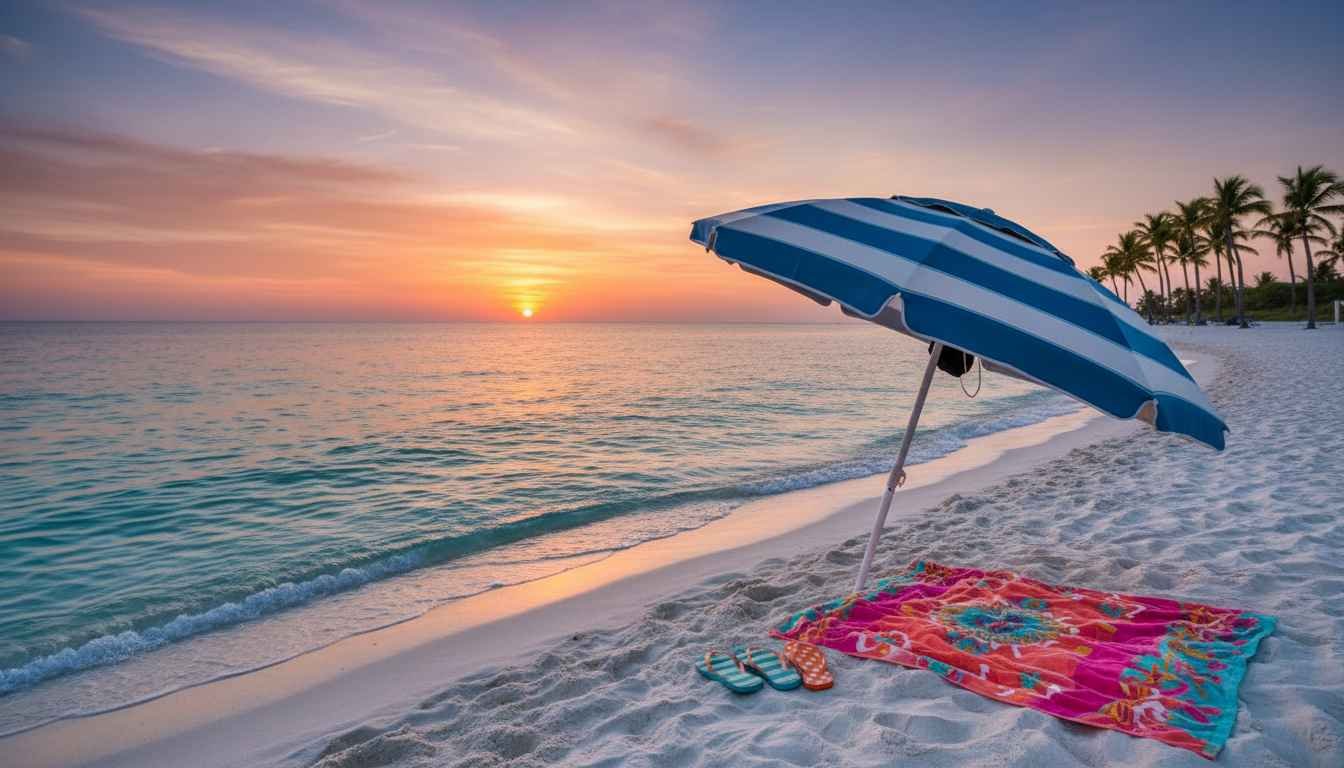
Florida’s Gulf Coast, from Clearwater and Sarasota down through the barrier islands, offers a different beach experience from the Atlantic side: calmer water, softer sand, and a quieter atmosphere. Destin, Clearwater Beach, and Sarasota are popular bases, each with its own character — Clearwater for activity, Sarasota for arts and culture, and the smaller beach towns for genuine quiet.
This coast suits travellers who measure a holiday by sunsets, shelling, fishing, and long walks rather than by attractions ticked off. It is also a strong choice for travellers with mobility concerns or young children, since the water is generally gentler than the Atlantic surf — though conditions always vary, so check local beach information on the day.
Two Quieter Alternatives Worth Knowing
St. Augustine, on the Atlantic coast, claims the title of the oldest continuously occupied European-established settlement in the continental United States, and its historic streets, fort, and Spanish colonial architecture make it a rewarding stop for history lovers who find Miami too fast and Orlando too commercial.
The Everglades, meanwhile, is Florida’s wild counterpoint: a vast subtropical wetland of sawgrass prairies, mangroves, and wildlife, best explored by guided boat tour or boardwalk trail. It is not a beach holiday and not a city break — it is a reminder that Florida’s most distinctive landscape is the one that looks least like a postcard.
For a fuller statewide picture, the list of places to visit in Florida for natural, scenic, and cultural sites covers natural springs, historic towns, and cultural stops that complement the headline destinations above.
Planning Tips for Any Florida Trip
Time your visit with Florida’s climate in mind. Winter and early spring bring the mildest, driest weather and the largest crowds. Summer brings heat, humidity, and afternoon thunderstorms — manageable if you plan outdoor activities for mornings and keep afternoons flexible. Hurricane season runs from June through November, so summer and autumn travellers should choose flexible bookings and keep an eye on forecasts.
Distances surprise first-time visitors: driving from Miami to Orlando takes several hours, and the Keys drive deserves a full day rather than a rushed afternoon. Pick one region as a base and add one excursion, rather than trying to cover the whole state in a week. Florida rewards depth more than mileage.
Final Thoughts
So, what’s the best place in Florida to visit? For most first-timers, Miami — for its unbeatable mix of beach, culture, and food. For families, Orlando. For slow travellers, the Keys. For beach purists, the Gulf Coast. The state is too varied for a single winner, and that variety is its strength. Choose the Florida that matches your trip, plan around its climate rather than against it, and leave room for the unplanned afternoon — a sunset in Key West, a quiet Gulf beach, a Cuban coffee in Little Havana — that usually becomes the memory you keep.
FAQ
What is the best place in Florida for a first visit?
Miami, for most travellers: it combines beaches, culture, food, and nightlife in one city, with easy day trips to the Everglades and the Keys.
Is Florida better on the Atlantic side or the Gulf side?
It depends on what you want. The Atlantic side (Miami, the Keys, Daytona) tends to be livelier with bigger surf, while the Gulf side (Clearwater, Sarasota, Destin) tends to be calmer and quieter — better for relaxed beach days.
When is the best time to visit Florida?
Winter and early spring offer the mildest weather but also the biggest crowds. Summer is hotter and more humid with afternoon storms, but quieter and often better value — just keep hurricane season (June to November) in mind when booking.